
Expedition Cruises:
The Ultimate Way to Continue Your ‘Life Is For Living’ List…
…It’s the new way of saying ‘The Bucket List,’ because let’s not wait until it may be too late, there’s always something going on, but we should travel anyway. “Live life with no excuses, travel with no regret” - Oscar Wilde.
Let me start by mentioning, I haven’t been on an expedition cruise…YET!
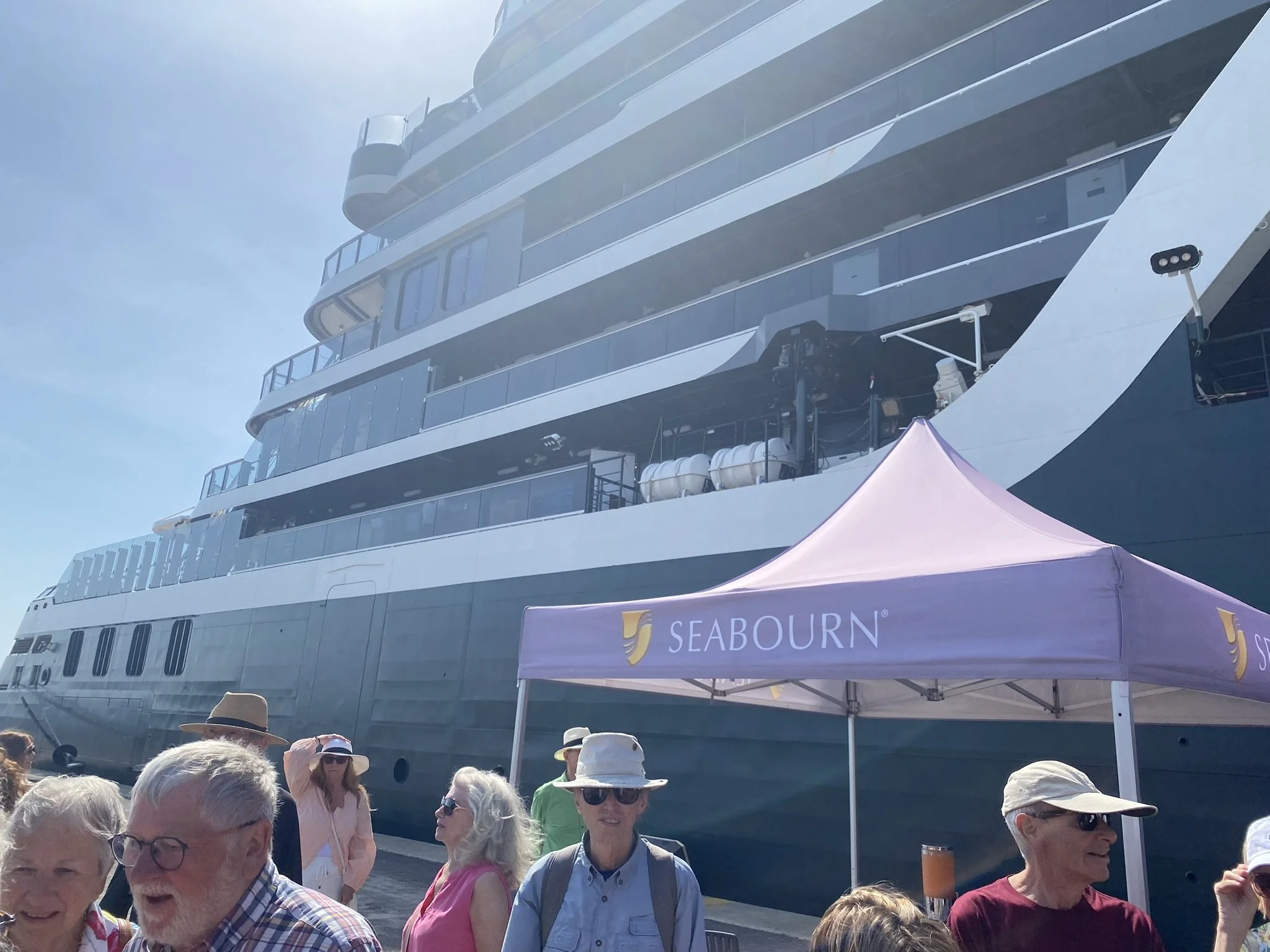
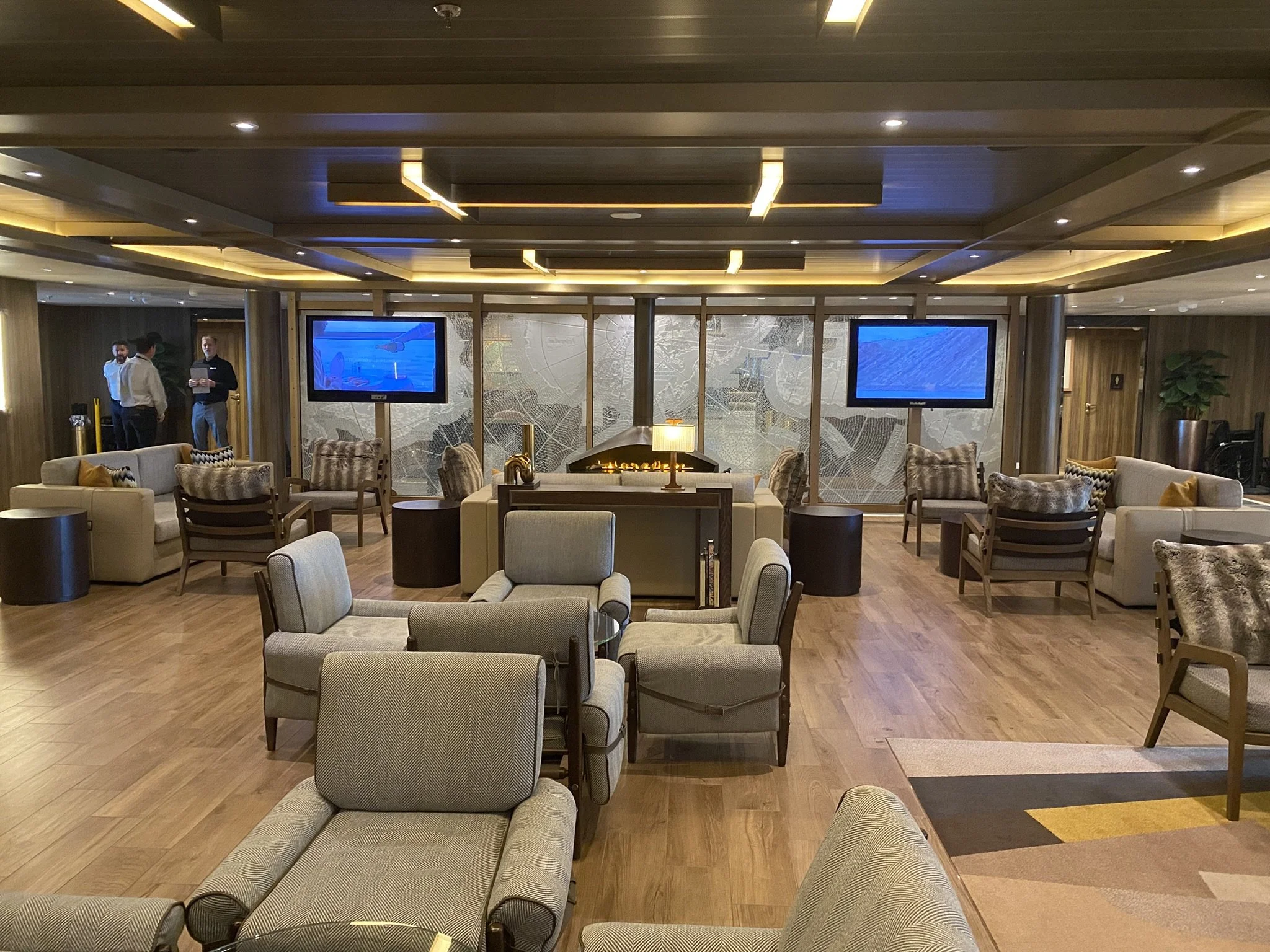
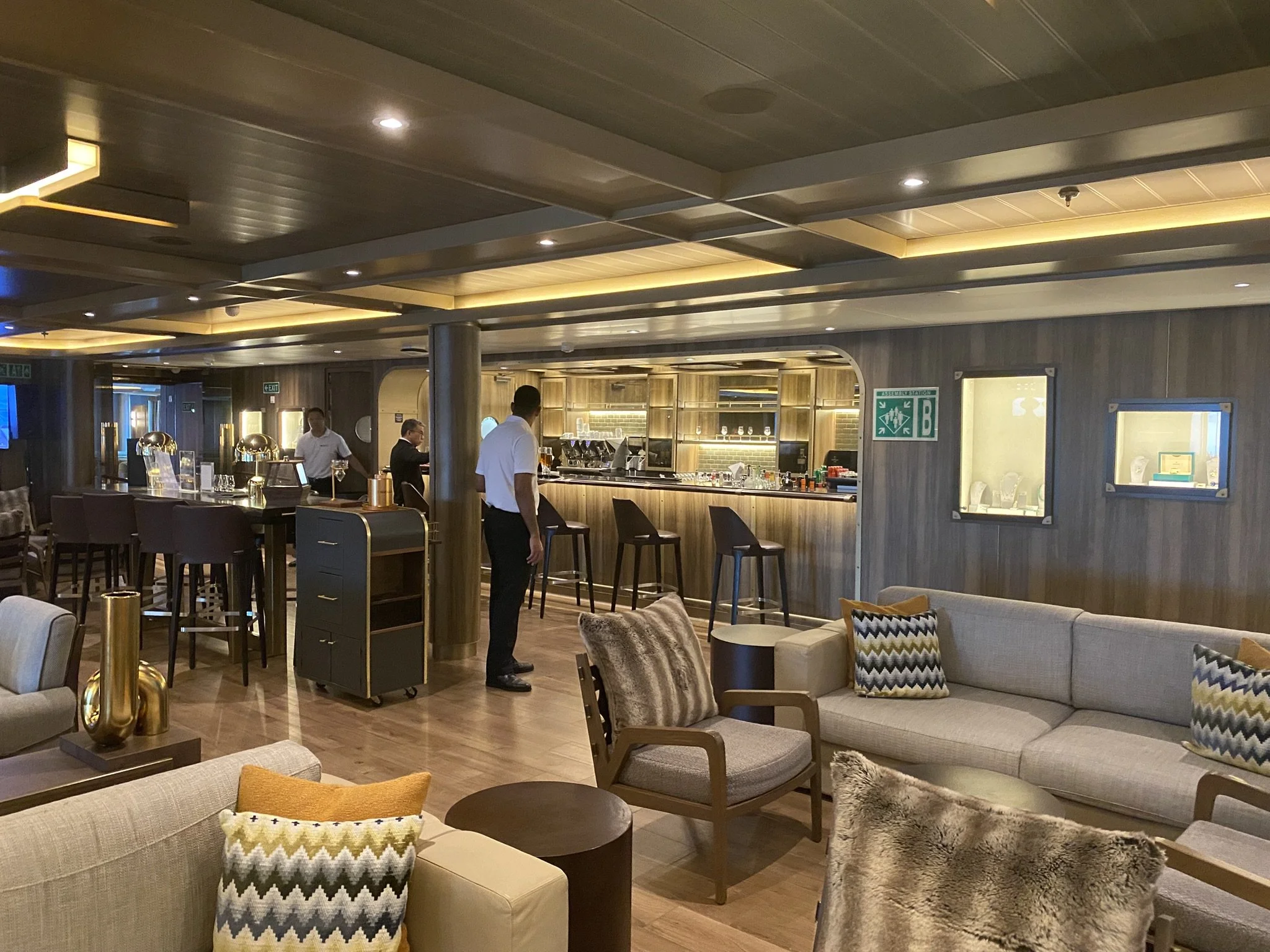
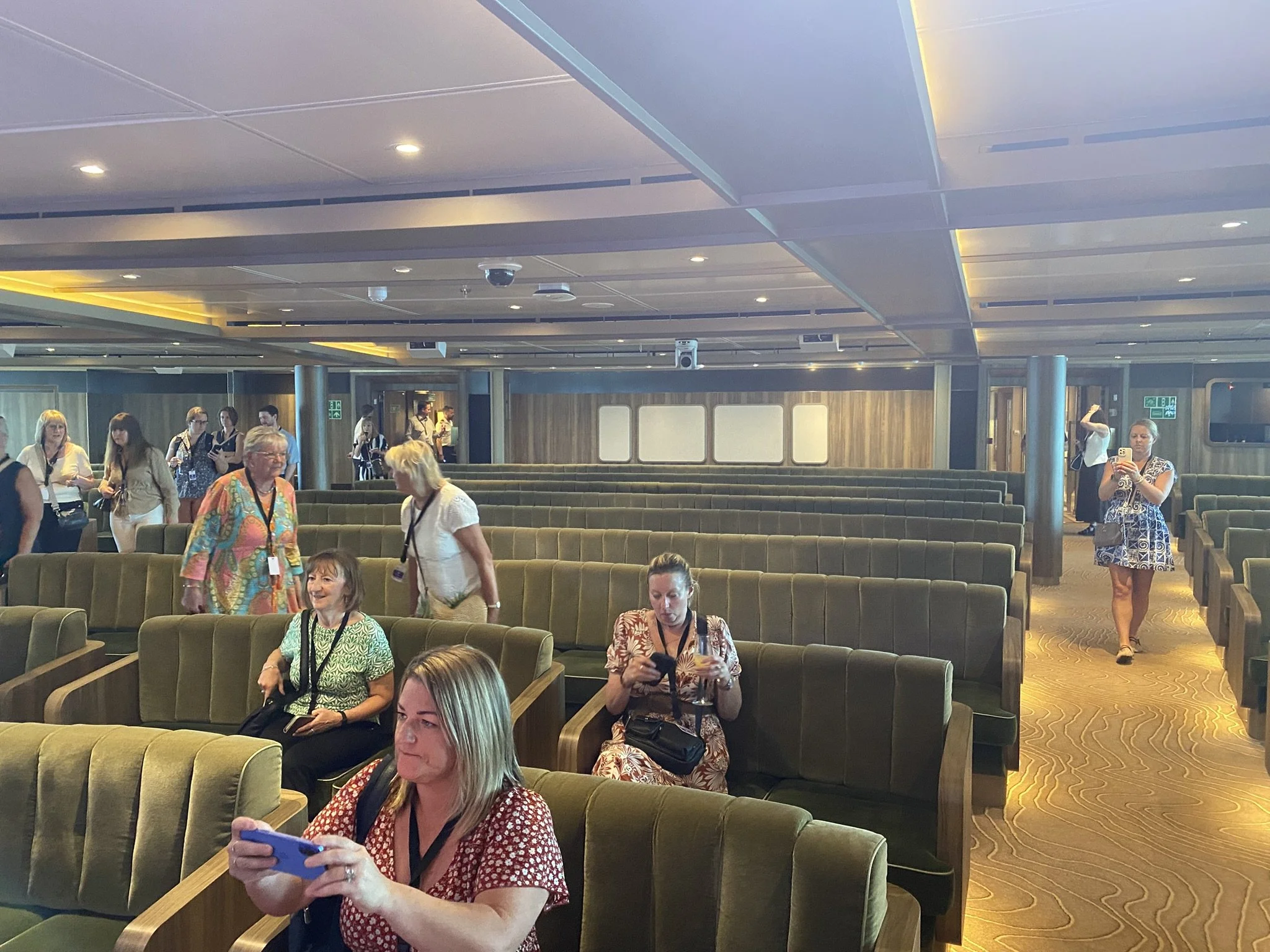
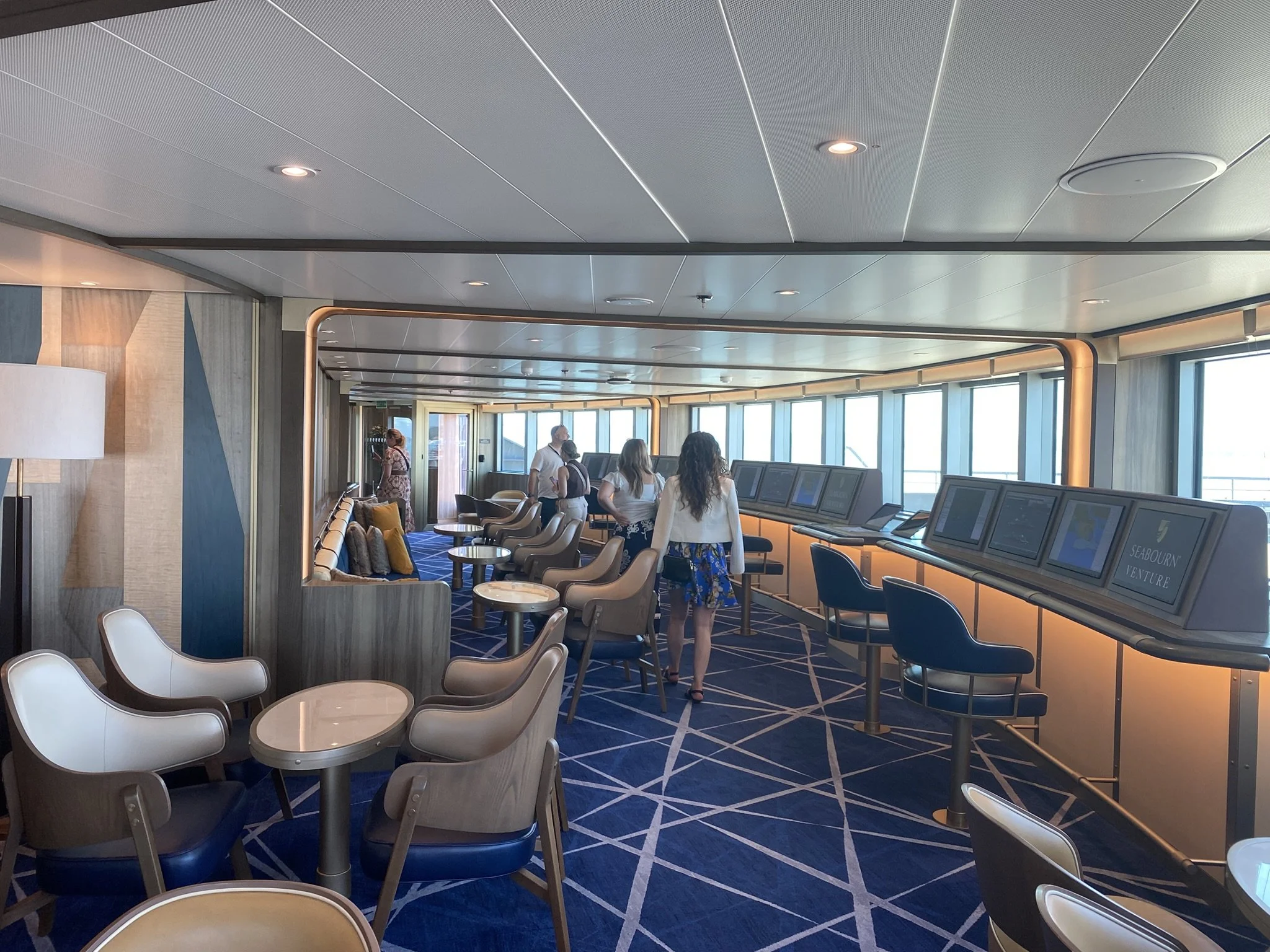
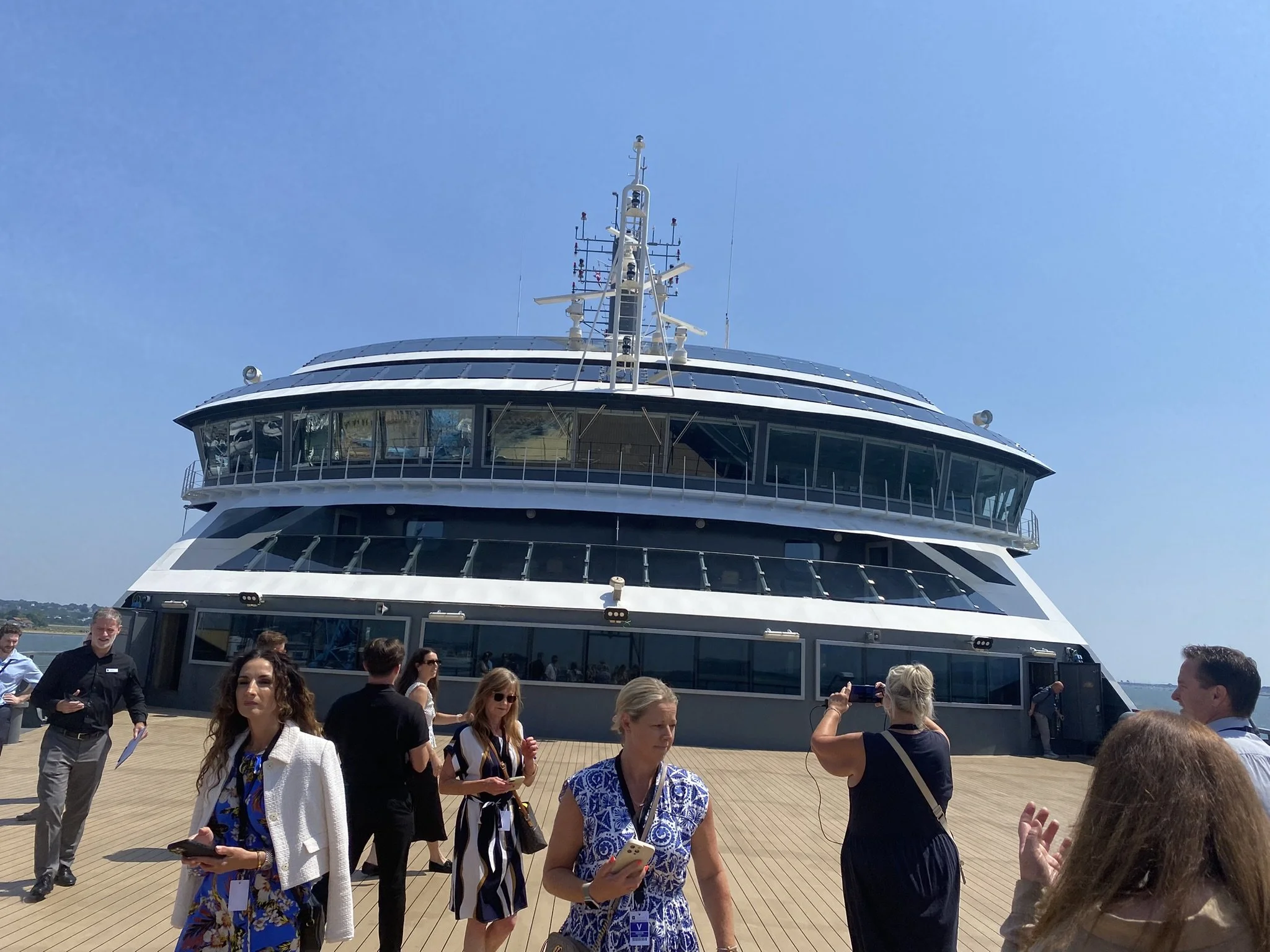
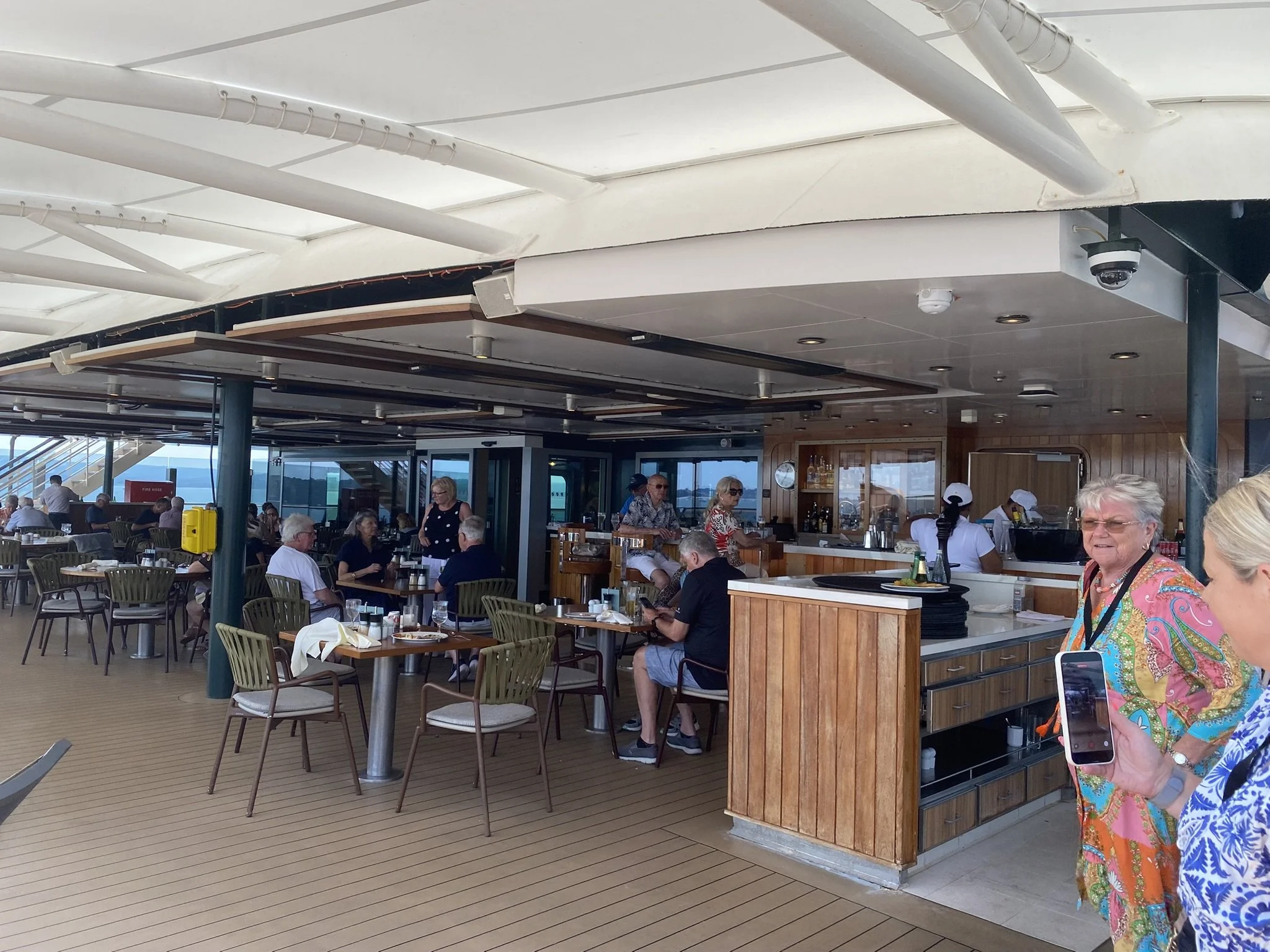
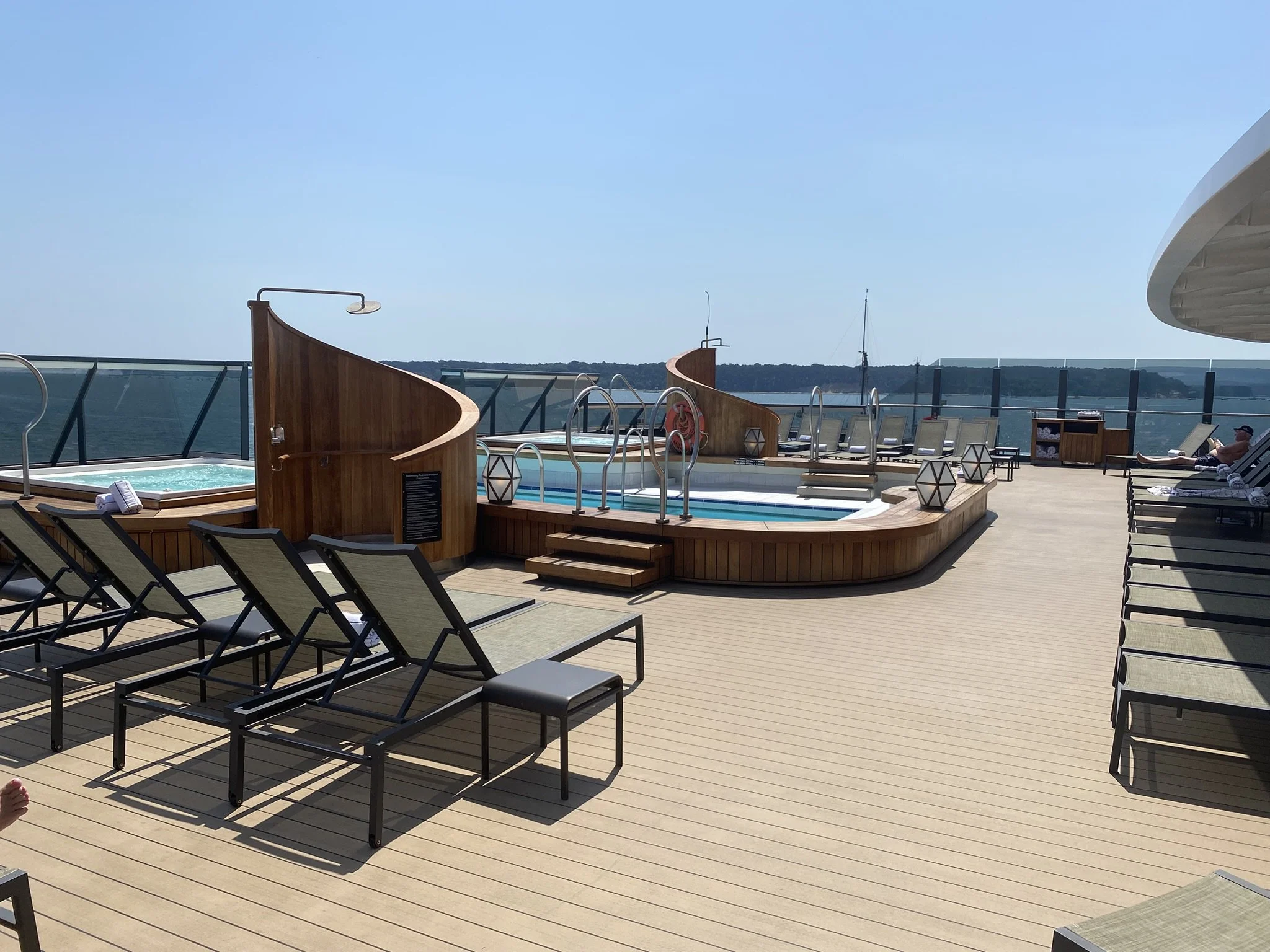
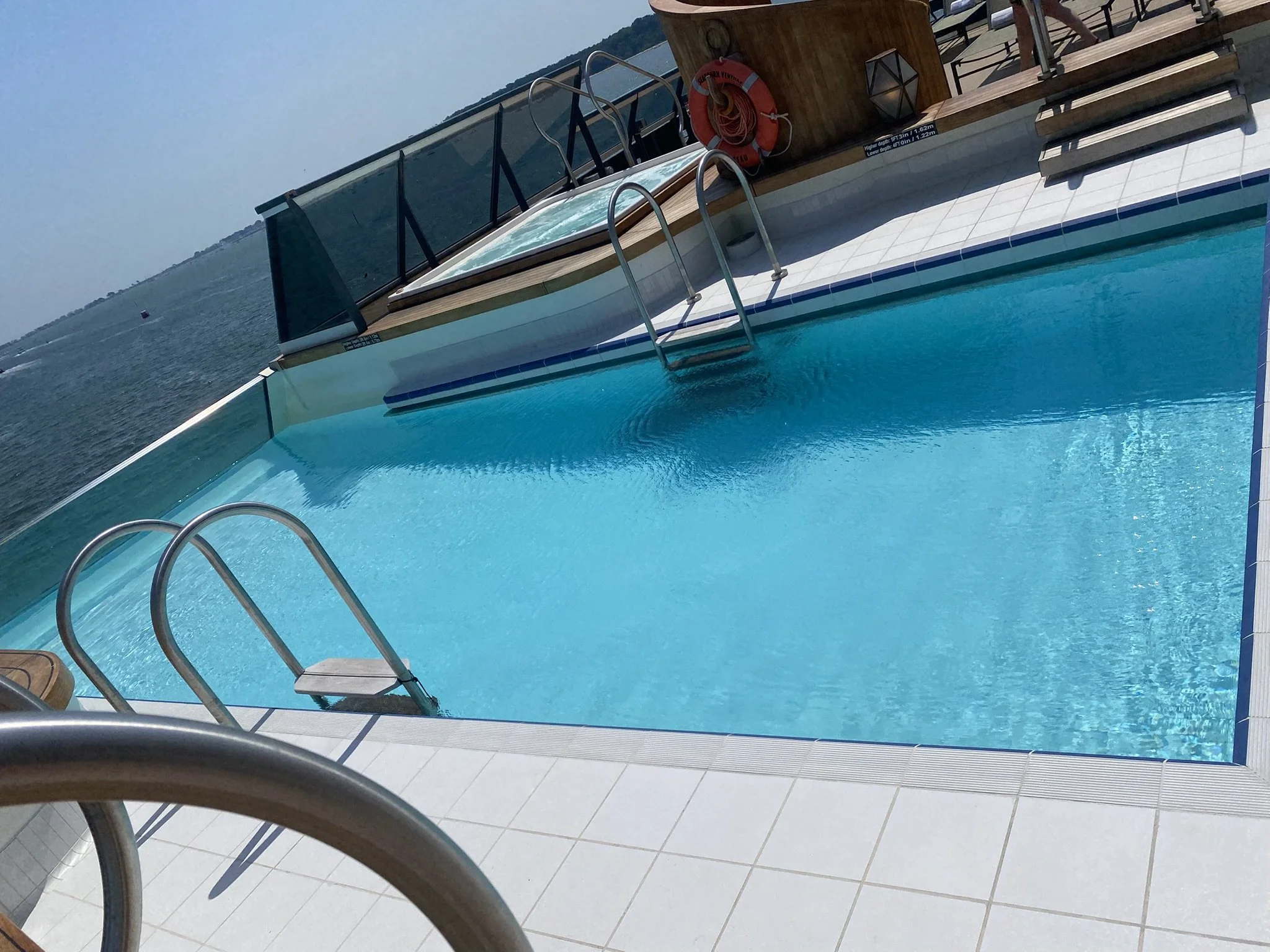
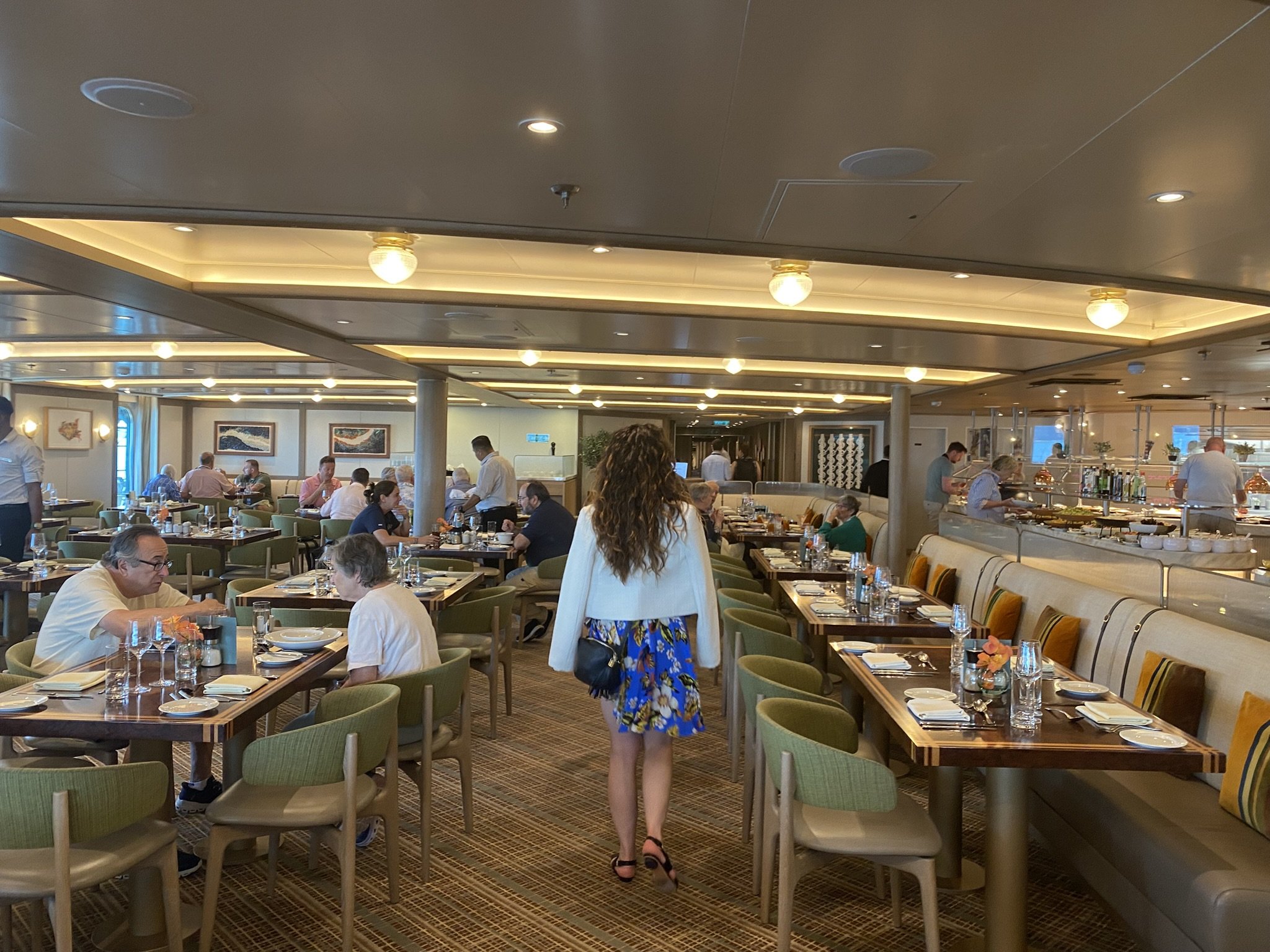
But, I have worked through extensive cruise line training, attended expedition cruise seminars, and taken organised ship tours on Seabourn’s Venture (This year) and Hurtigruten’s Fram (Now HX), so hopefully, this puts me in a great position to write this blog.
If you've ever thought an expedition cruise involved wearing six layers of clothing, battling enormous waves and sleeping in a tiny cabin while eating dehydrated food… think again.
Because expedition cruising has changed.
Today, you can sail to some of the most remote and extraordinary places on Earth, get closer to wildlife and landscapes than you ever could on a traditional cruise ship, and still return to a beautiful suite, enjoy an exceptional dinner and perhaps finish the day with a glass of Champagne.
And honestly, what's not to like about that?
For me, expedition cruising is one of the most exciting areas of the cruise industry. It combines two things I love about travel: luxury and genuine exploration. It isn't simply about seeing somewhere. It's about experiencing it.
So, what exactly is an expedition cruise, how does it differ from a traditional ocean cruise, where can you go, and is it really for you?
Let's take a look.
What exactly is an expedition cruise?
At its simplest, an expedition cruise takes you to places that conventional cruise ships often can't reach.
The ships are generally smaller and purpose-built for exploring remote destinations. Instead of simply docking at a port and heading off on a coach excursion, your ship becomes your floating base camp.
You might wake up one morning in Antarctica, surrounded by icebergs. After breakfast, you could board a Zodiac with your expedition team and head towards a penguin colony.
The following day, you might be cruising alongside enormous glaciers.
Another day could involve kayaking, hiking, wildlife spotting or visiting a remote community.
And then, back on board, you can have a hot shower, relax in your suite, enjoy lunch, perhaps have a treatment in the spa and sit down to an excellent dinner.
This is expedition cruising today.
It's adventure, but without necessarily giving up the things you associate with luxury cruising.
Expedition cruise vs traditional ocean cruise – what's the difference?
This is probably the biggest question I get asked.
A traditional ocean cruise is often about the combination of the ship and the destinations.
The ship itself is part of the holiday. You might have a few lovely restaurants, entertainment, pools, bars, theatres, shops and plenty to keep you occupied while you're sailing between ports.
And there's absolutely nothing wrong with that - I love it.
But expedition cruising is different as the destination is very much the star of the show.
Rather than sailing from one major port to another, expedition itineraries are designed around exploration, wildlife and the environment, and the itinerary can be much more fluid, not rigid.
If your expedition team hears that whales have been spotted nearby, for example, the plan may change. If weather conditions make one landing impossible but open up another opportunity, you'll adapt. And if there's a particularly exciting wildlife encounter, you don't necessarily want to rush away simply because the original itinerary said you should.
The flexibility is what makes it so amazing - Expedition cruising embraces the unexpected. You aren't simply following a timetable. You're looking for opportunities.
And then there's the Zodiac…
If you've never been on an expedition cruise, the word Zodiac might not mean very much to you.
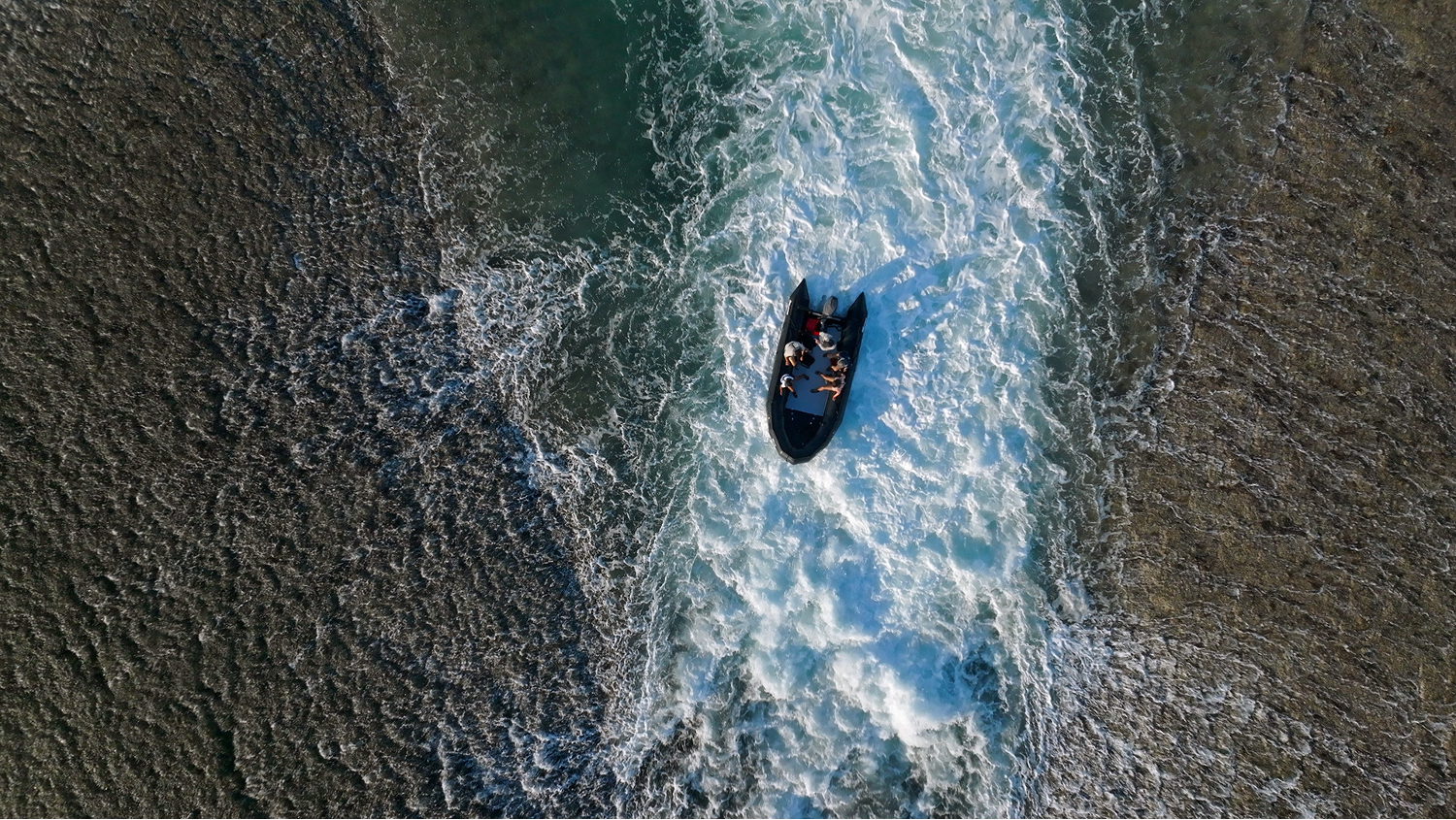
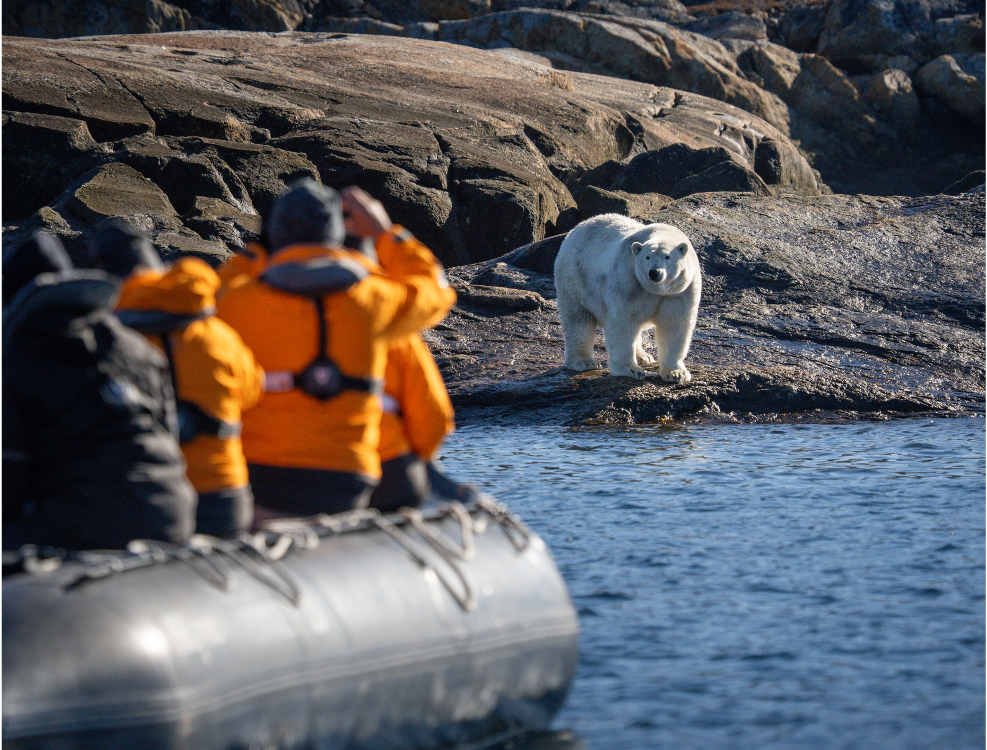
Zodiacs are sturdy inflatable boats used to take guests from the expedition ship to shore and, perhaps even more importantly, to explore places that the ship itself simply can't reach, and this is where you get that feeling of being immersed in your destination.
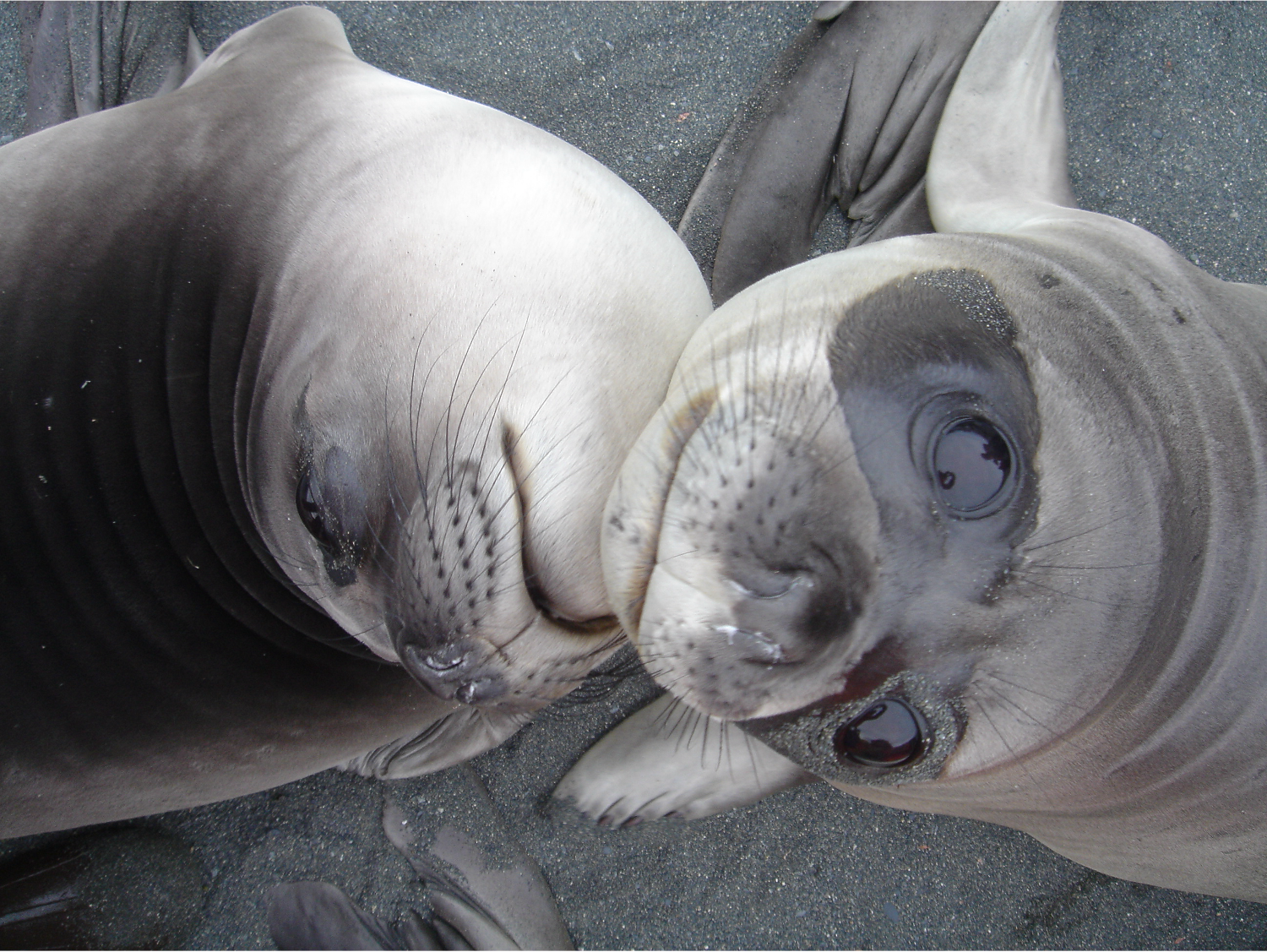
Imagine sitting in a Zodiac in Antarctica, the water almost completely still, enormous icebergs surrounding you and penguins swimming nearby, or exploring the coastline of the Kimberley, weaving between dramatic rock formations and waterfalls, or cruising quietly towards a colony of seals, or simply turning a corner and discovering something that wasn't on the itinerary at all.
You're not looking at the landscape from a coach window, or standing on a busy quayside with hundreds of other tourists, you're actually in it.
Of course, expedition cruising isn't about racing around in a Zodiac all day, there may be landings, guided walks, kayaking, wildlife watching, cultural visits and opportunities to explore ashore. And you can usually choose how active you'd like to be.
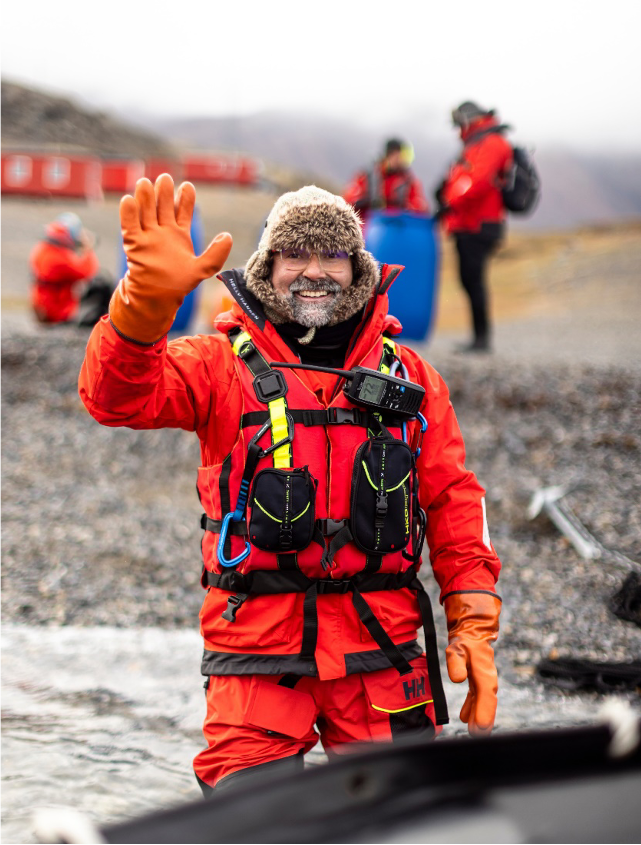
Seabourn zodiac guide
Do you have to be super-adventurous?
No.
This is one of the biggest misconceptions about expedition cruising, you don't have to be an experienced hiker, kayaker or mountaineer, or have to want to jump into freezing water, (That’s a no tanks from me) and you certainly don't have to be the person who thinks a holiday isn't complete without an adrenaline rush.
Expedition cruises offer different ways of experiencing a destination, for example; You might choose a gentle Zodiac cruise to look for wildlife, while someone else joins a more active shore excursion, or spendingthe morning exploring ashore and the afternoon relaxing on board.
You can have the adventure without having to rough it.
Where can you go on an expedition cruise?
You can get into the places all of the larger ships simply pass on by, the passengers waving from the deck or their own balcony. There is of course, room for everyone in cruising, but I focus on the small ships, as I love them for myself.
Antarctica
Probably the destination most people associate with expedition cruising, and for very good reason.
Antarctica is extraordinary.
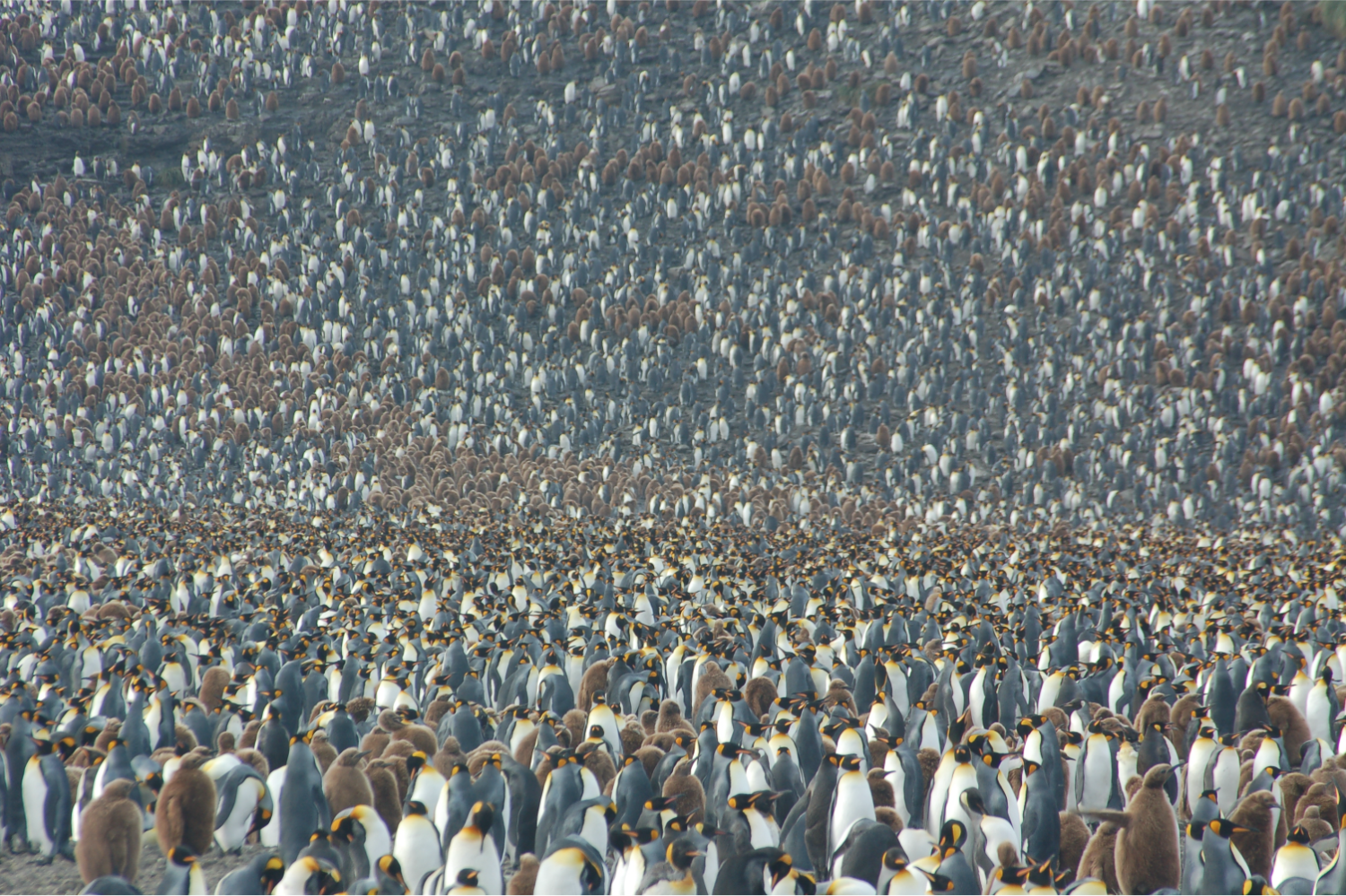
Imagine stepping ashore surrounded by thousands of penguins, sailing between enormous icebergs or watching whales from your Zodiac.
It is a world away from the usual cruise itinerary.
And for many people, Antarctica really is the ultimate ‘living life’ destination.
The Arctic and Greenland
This is the itinerary you should do first, before Antarctica, because..If the Arctic impresses you, then you haven’t seen anything yet!
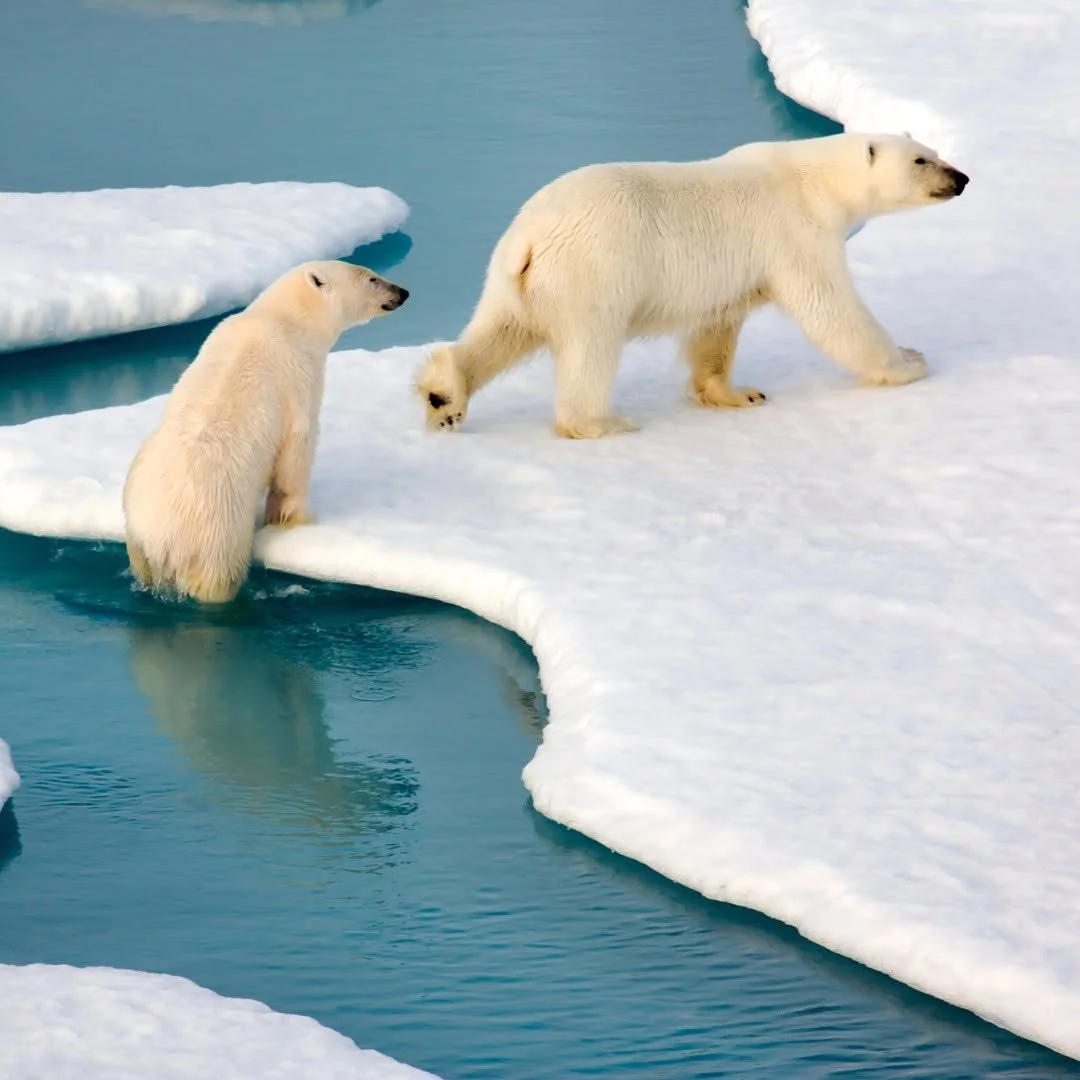
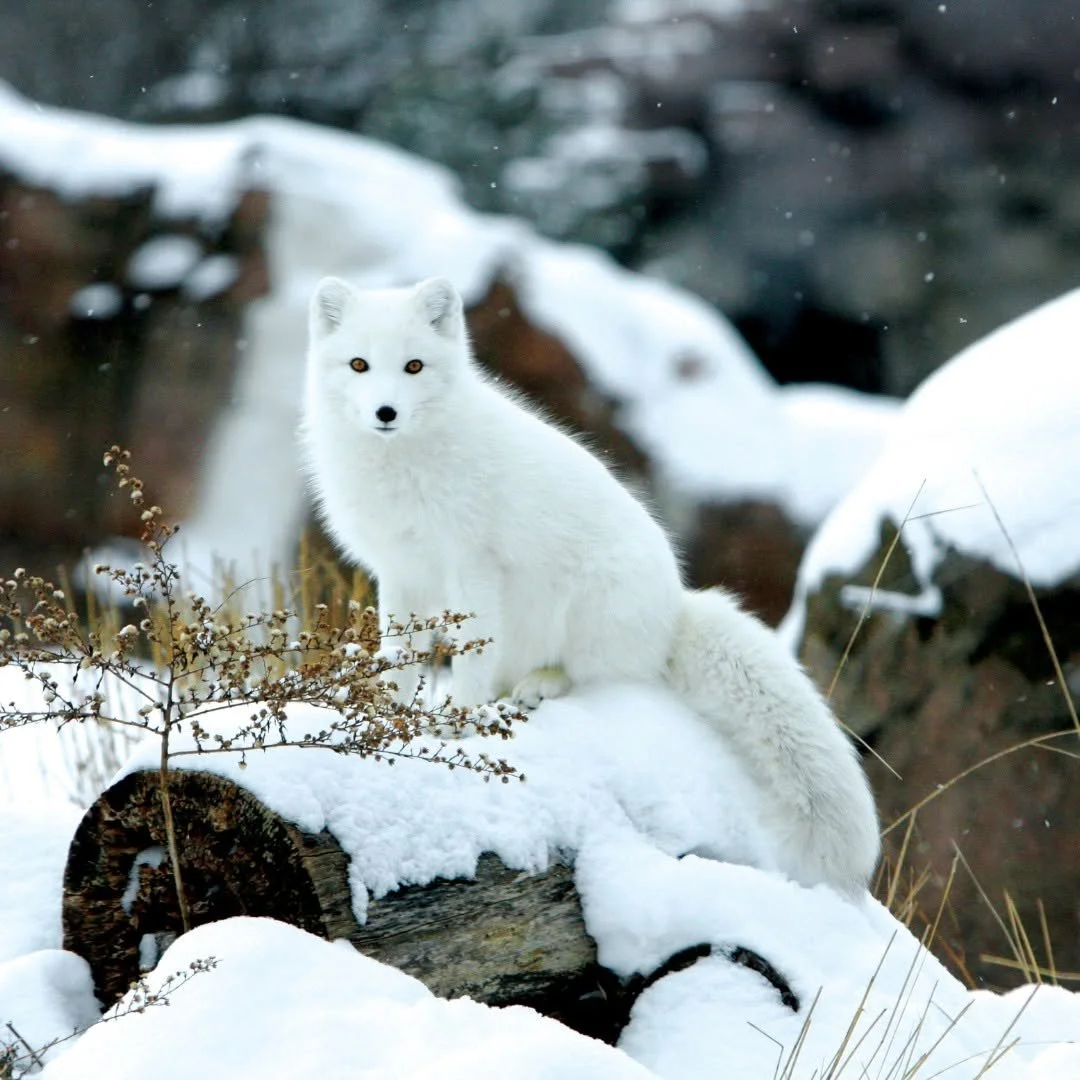
The Arctic still offers Ice, dramatic landscapes and wildlife, with polar bears, whales, seals and huge colonies of seabirds, depending on your itinerary and the time of year.
Greenland is another fascinating destination, with enormous icebergs, remote communities and landscapes that are almost impossible to comprehend until you see them for yourself.
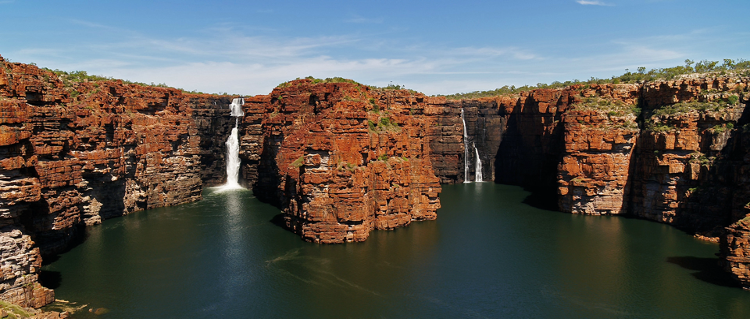
The Kimberley, Australia
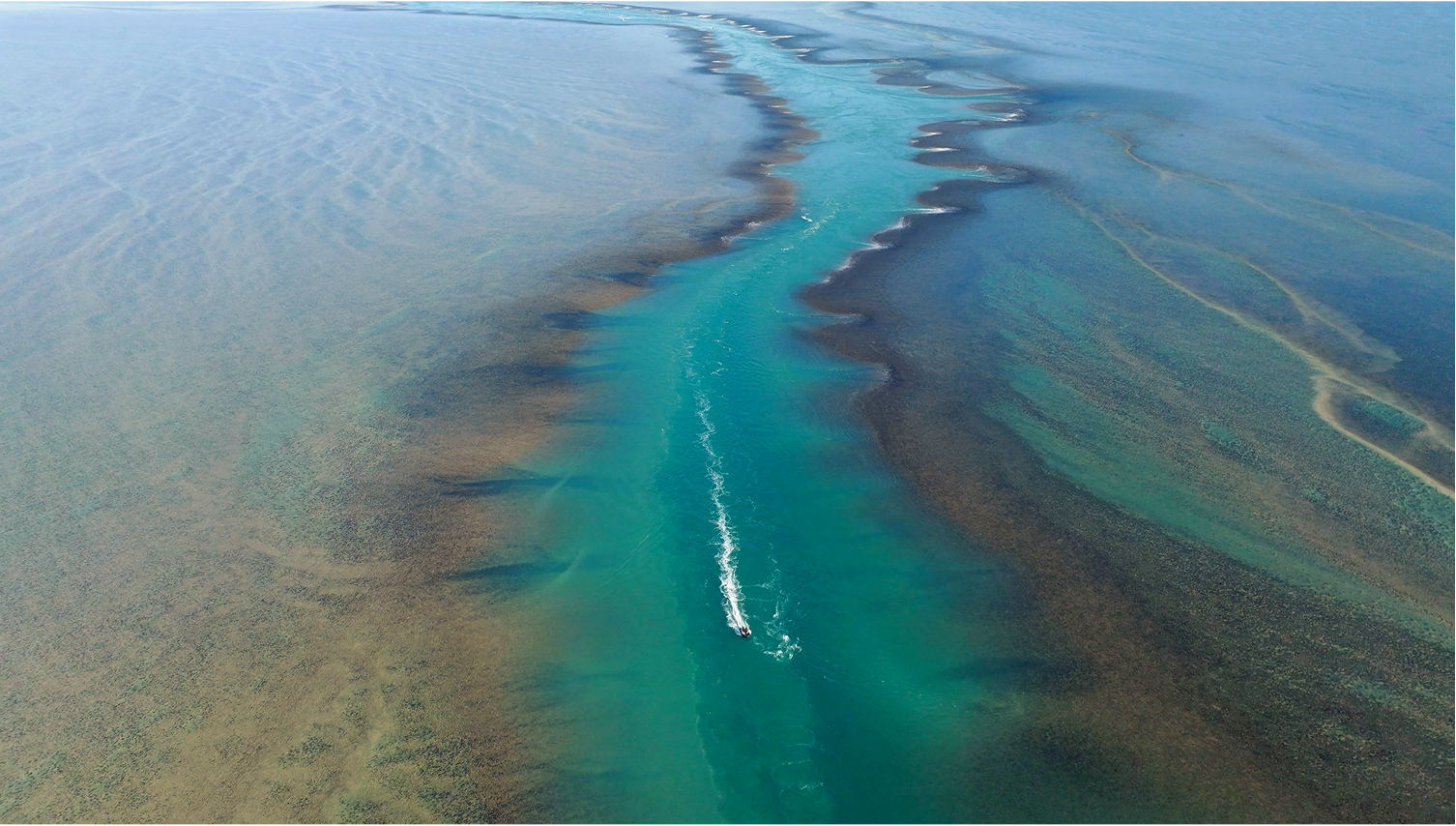
The Kimberley is one I particularly love talking about, and I am actually spending this week focusing on this destination in my Facebook community.
This remote region of Western Australia is a completely different kind of expedition experience.
Think ancient landscapes, dramatic gorges, waterfalls, extraordinary tides, wildlife and Aboriginal culture.
And because of the remote nature of the region, exploring by small expedition ship and Zodiac allows you to experience places that would otherwise be incredibly difficult to access.
The Galápagos
If wildlife is your thing, the Galápagos is hard to beat.
Giant tortoises, marine iguanas, sea lions and an incredible variety of birdlife are just some of the reasons people travel here.
And one of the remarkable things about the Galápagos is that much of the wildlife is surprisingly unafraid of humans.
It can make for some truly extraordinary encounters.
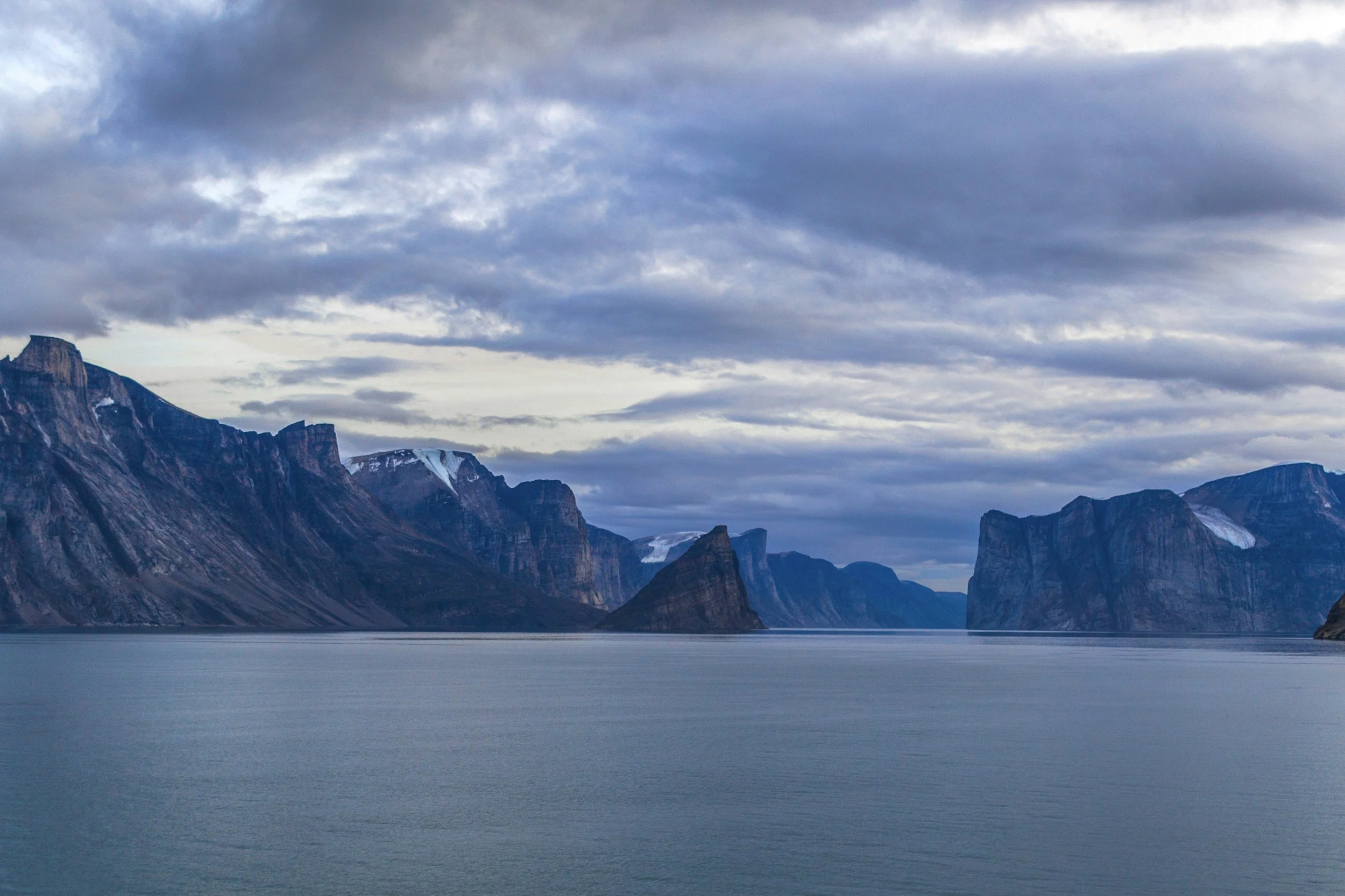
The Northwest Passage
For the serious adventurer, there's the legendary Northwest Passage.
Sailing through the Arctic between the Atlantic and Pacific Oceans is as much about history as it is about wildlife and scenery.
It's remote, fascinating and definitely not your average cruise.
The Northwest Passage
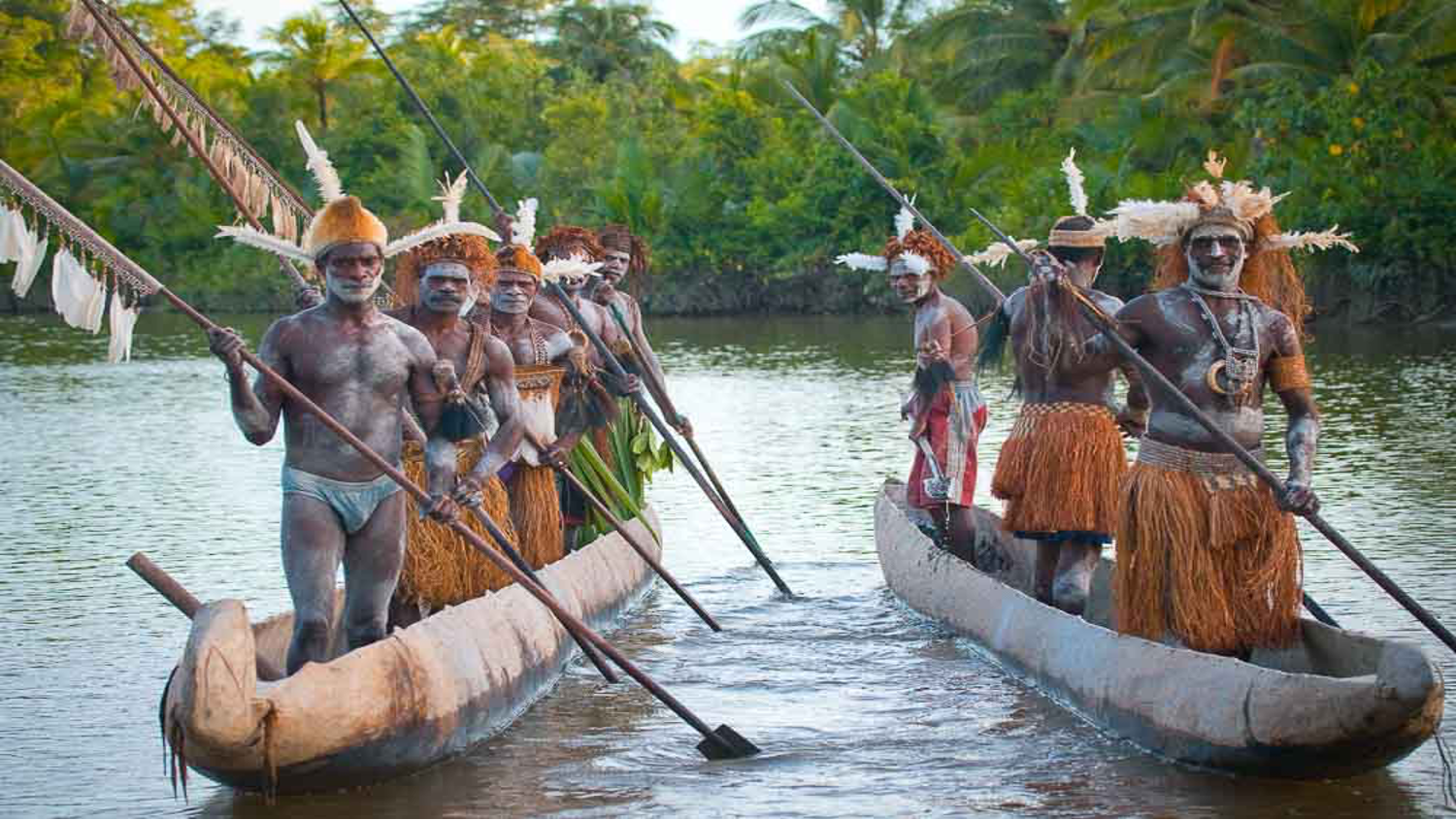
And there are many more expedition destinations too, including Alaska, Patagonia, the Chilean fjords, the South Pacific, the Easter islands, Indonesia, Papua New Guinea and French Polynesia. Plus, for the ultimate journey, there is a grand expedition cruise from the north to the South Pole!

Who actually offers luxury expedition cruises?
Thankfully, if you're someone who likes your adventure with a healthy dose of luxury, (like me) you have some fantastic choices. Here are a few of my favourites, but I can help with any small-ship cruise line.
Silversea Expeditions
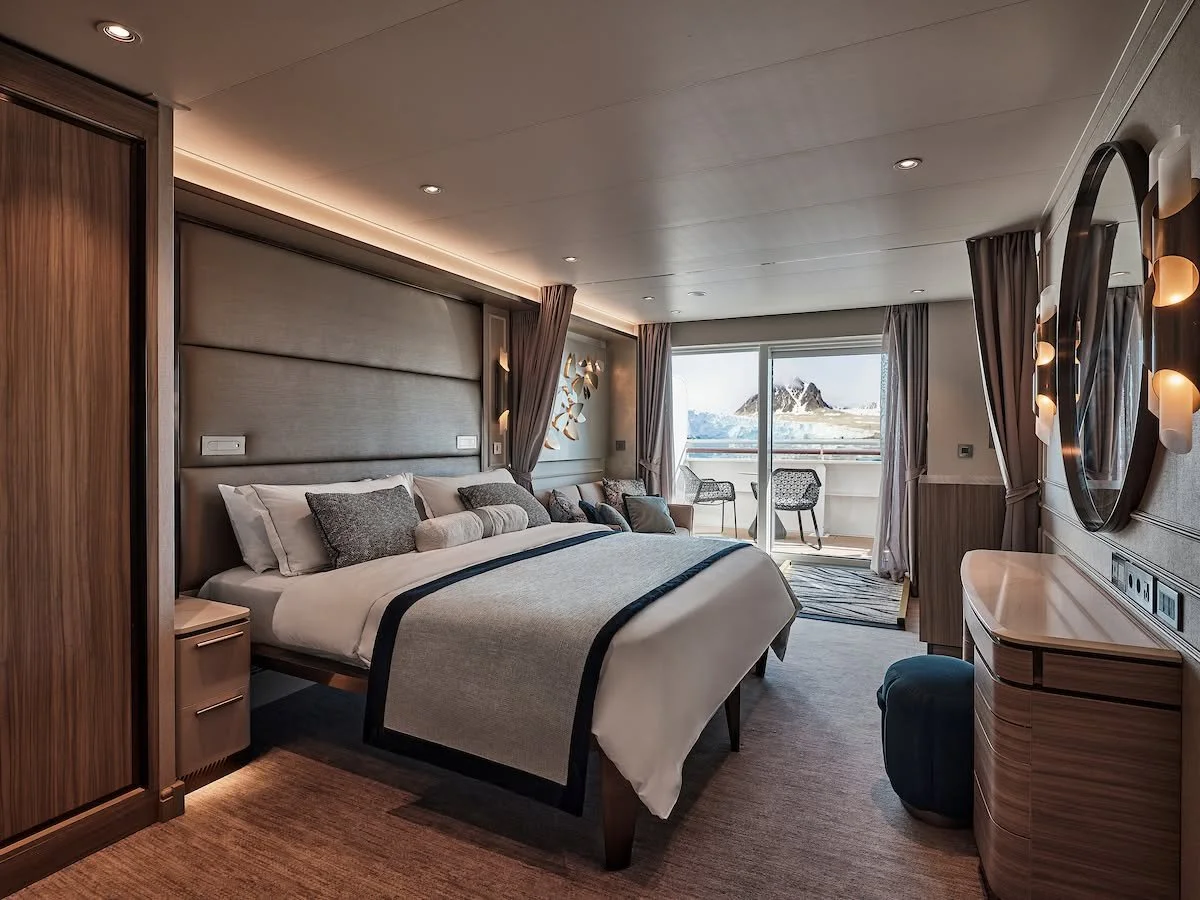
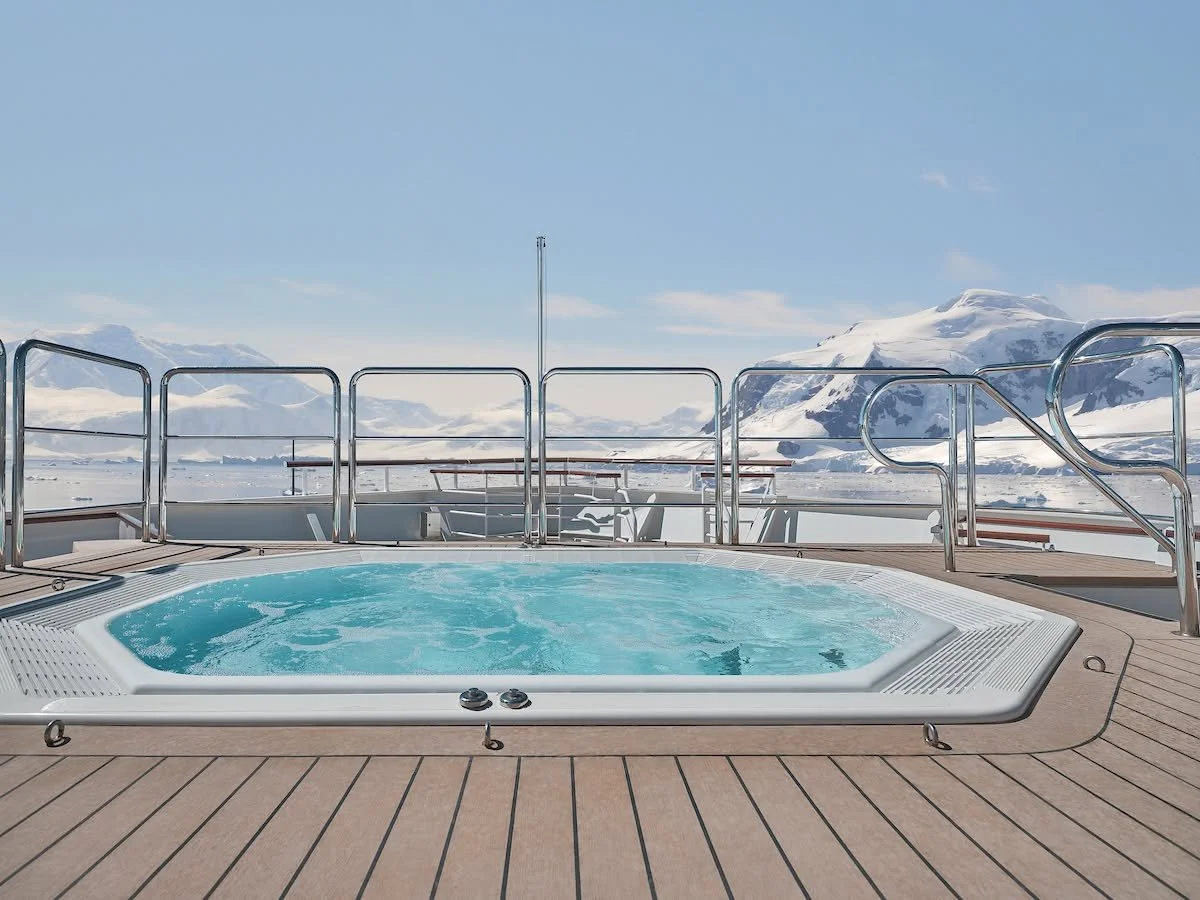
Silversea is one of the names I would look at for clients wanting to combine genuine expedition experiences with the luxury you'd expect from a high-end cruise line.
You get the small ships, expert expedition teams and remote destinations, but you also get beautifully appointed suites, excellent dining and the level of service associated with Silversea.
It's a very good choice for someone who says: “I want the expedition, but I don't want to compromise on luxury.”
Seabourn
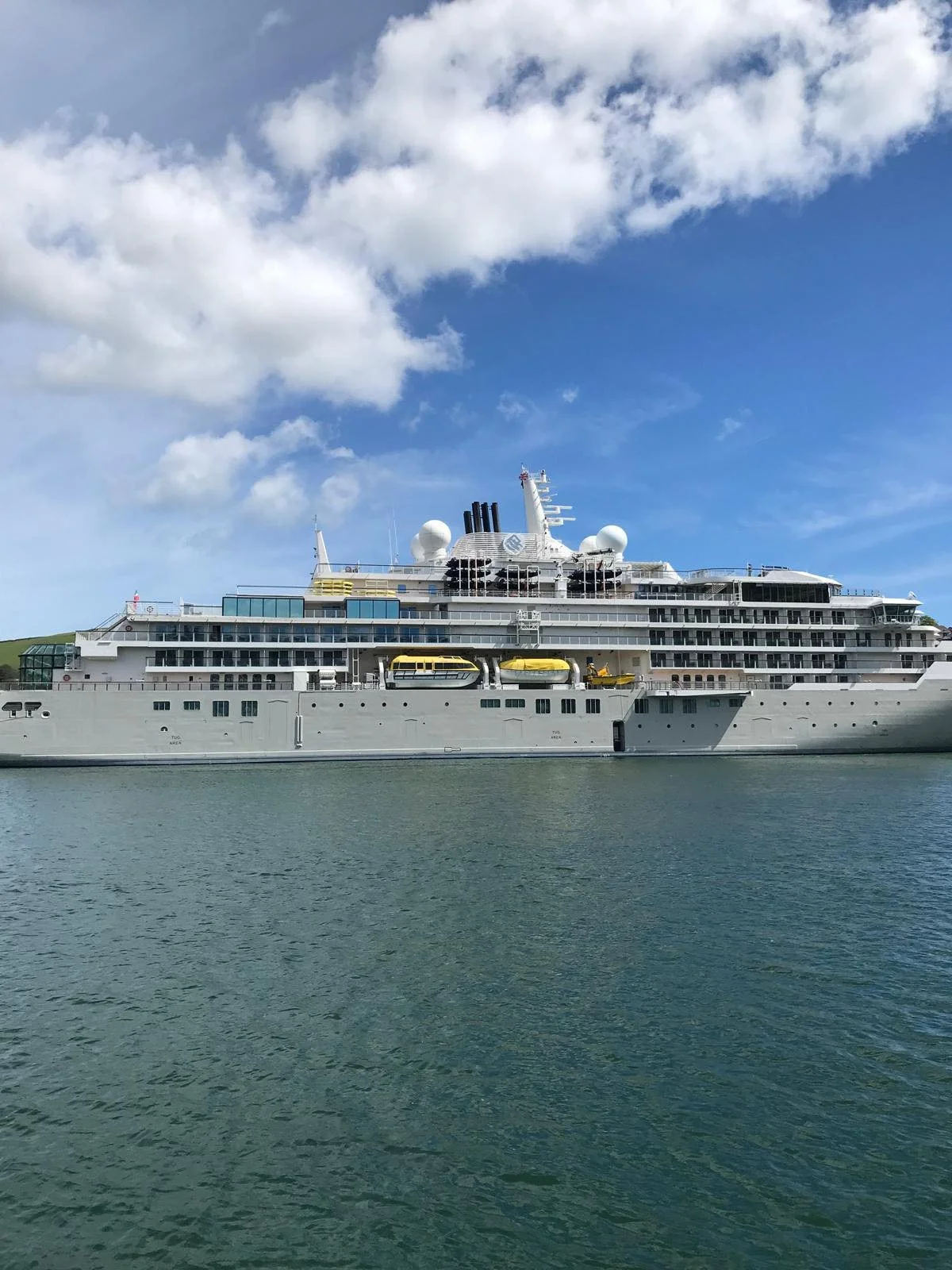
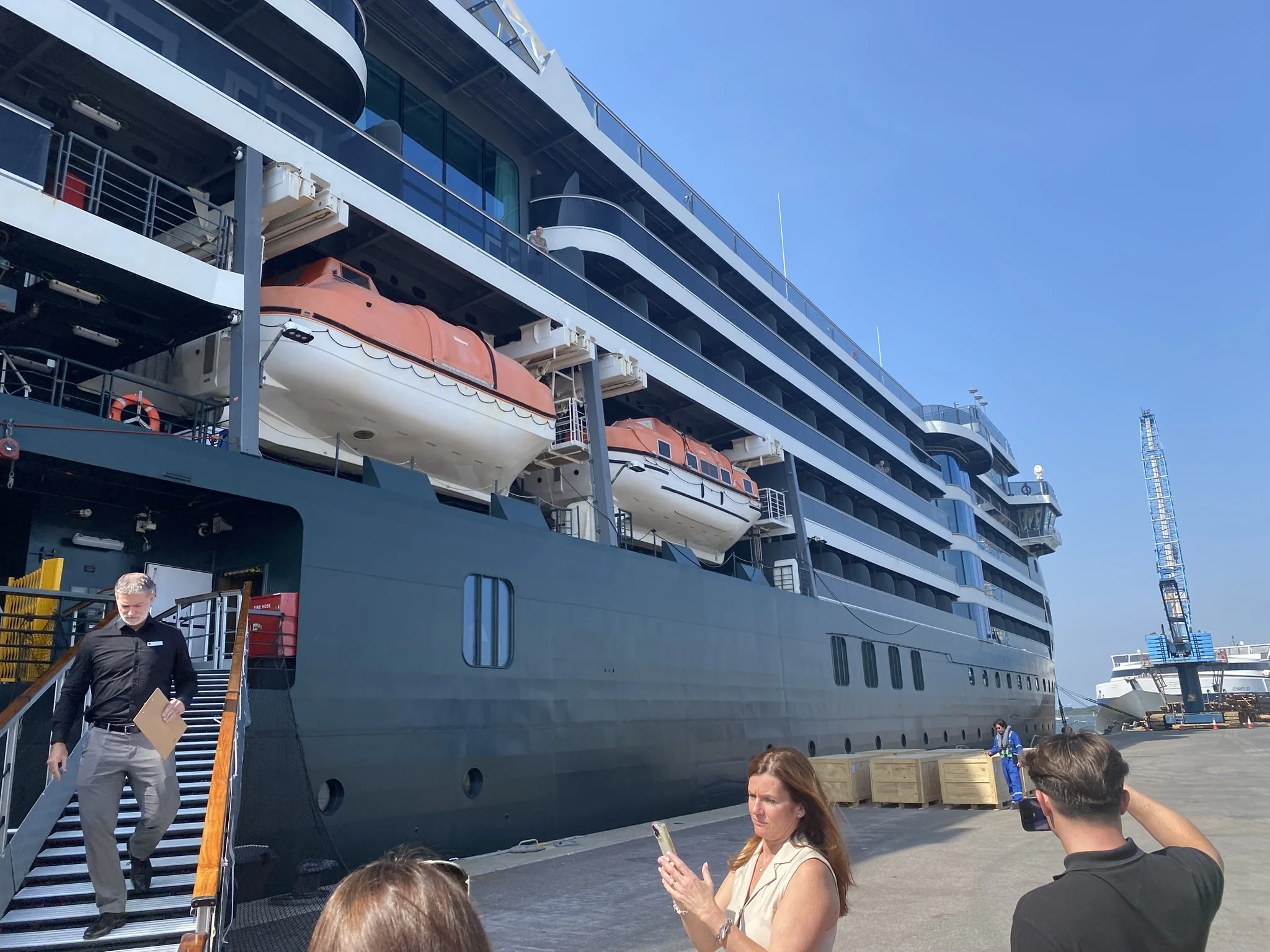
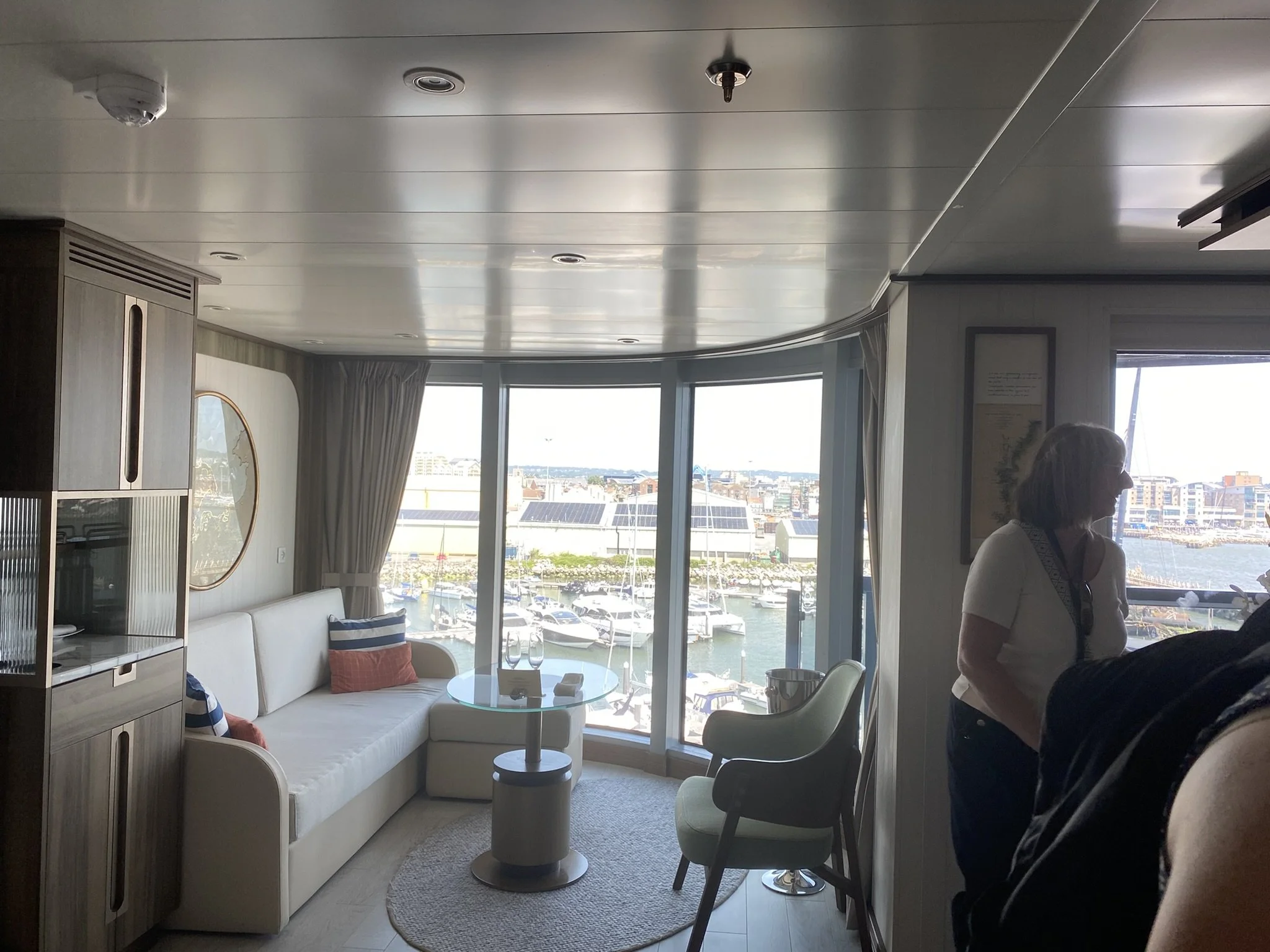
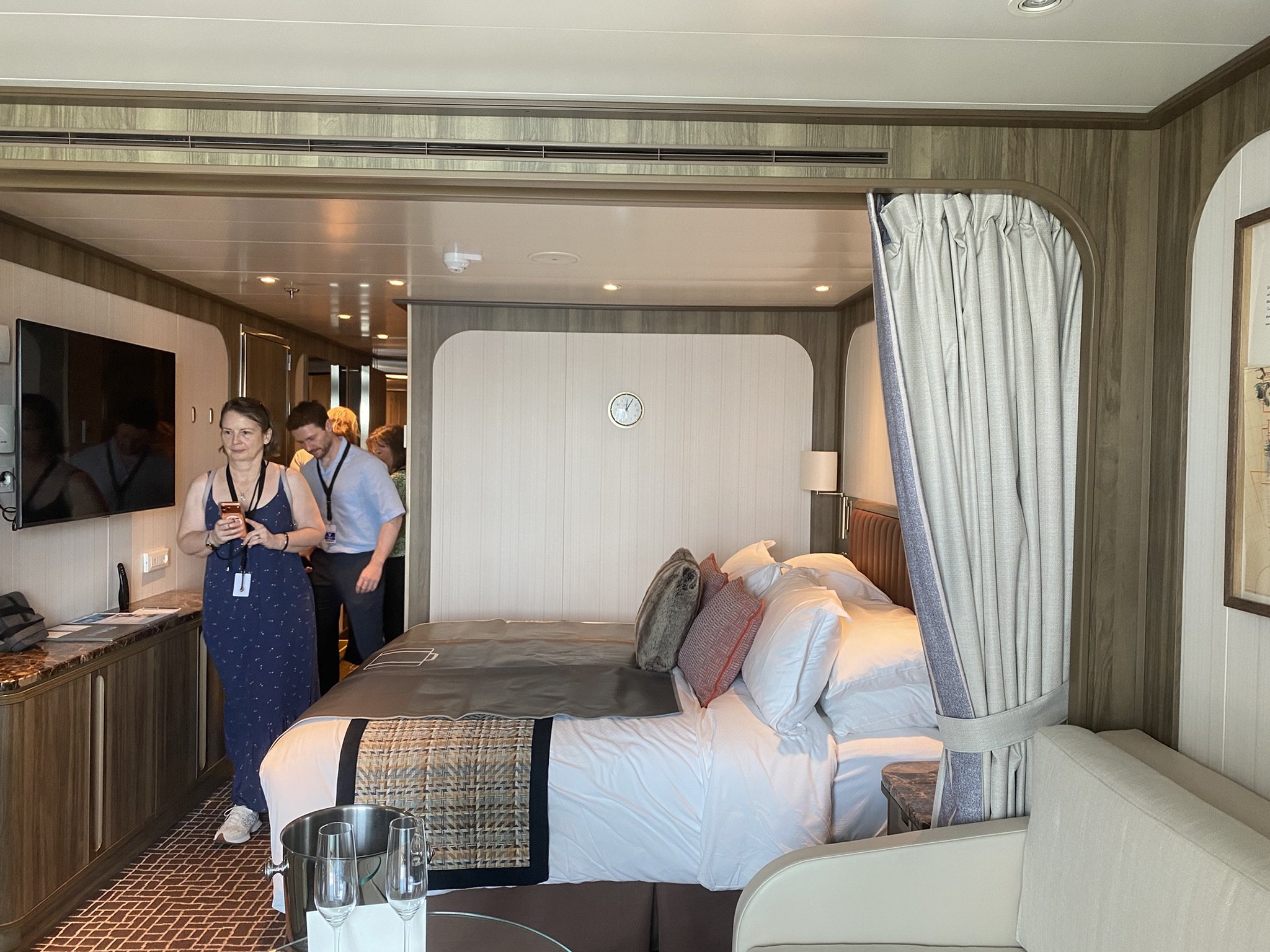
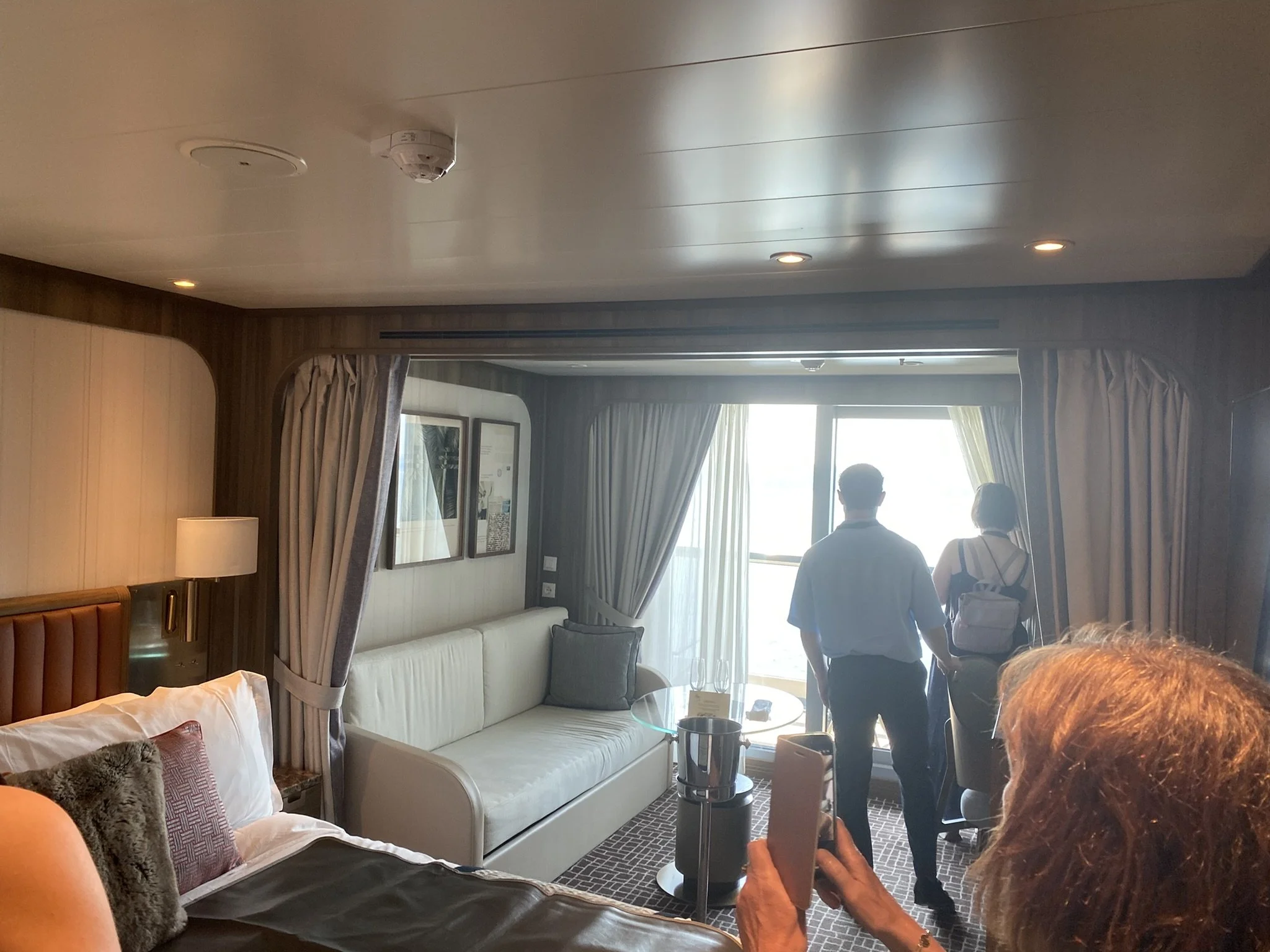
Seabourn's expedition ships offer another wonderful combination of adventure and ultra-luxury.
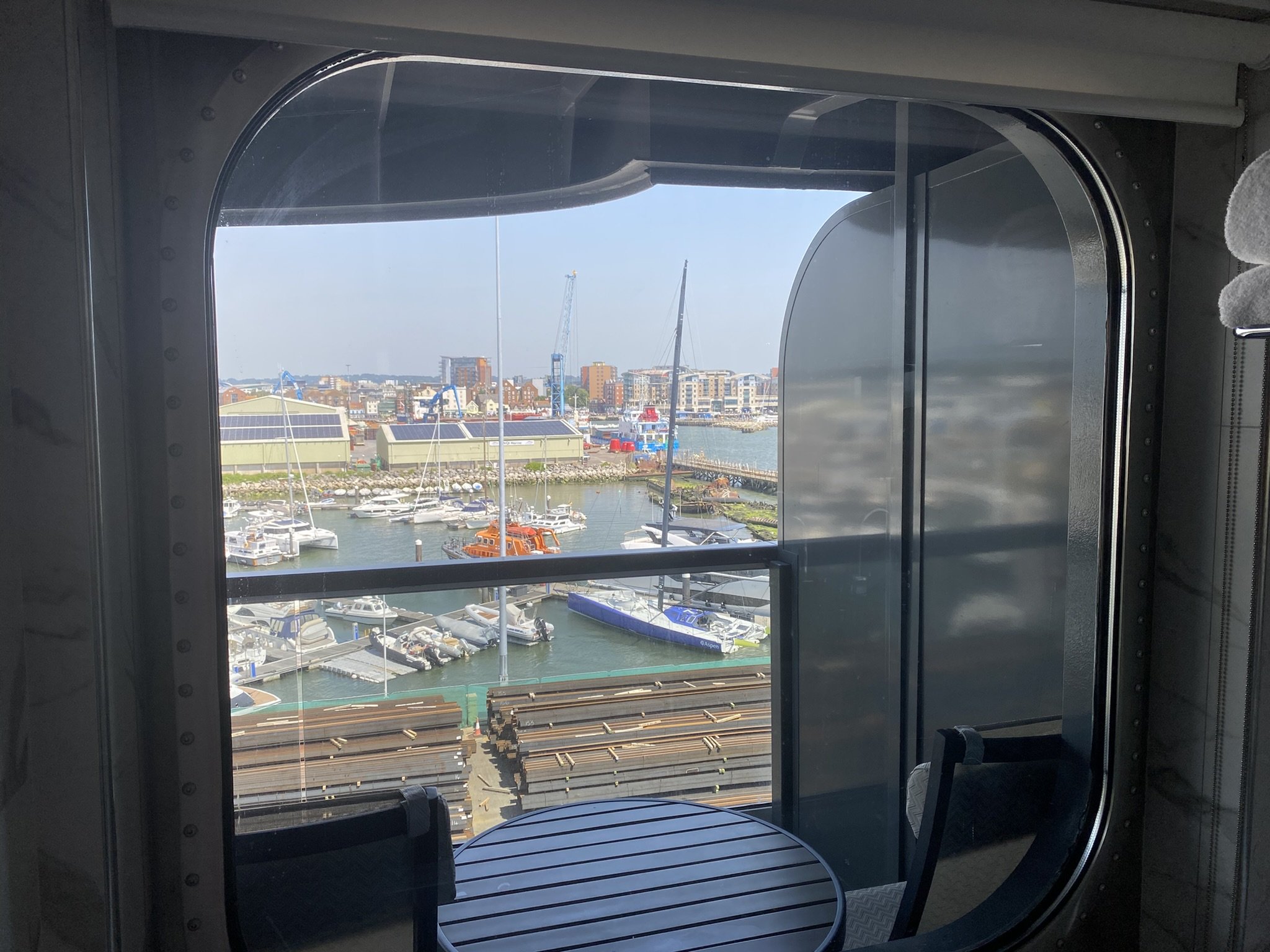
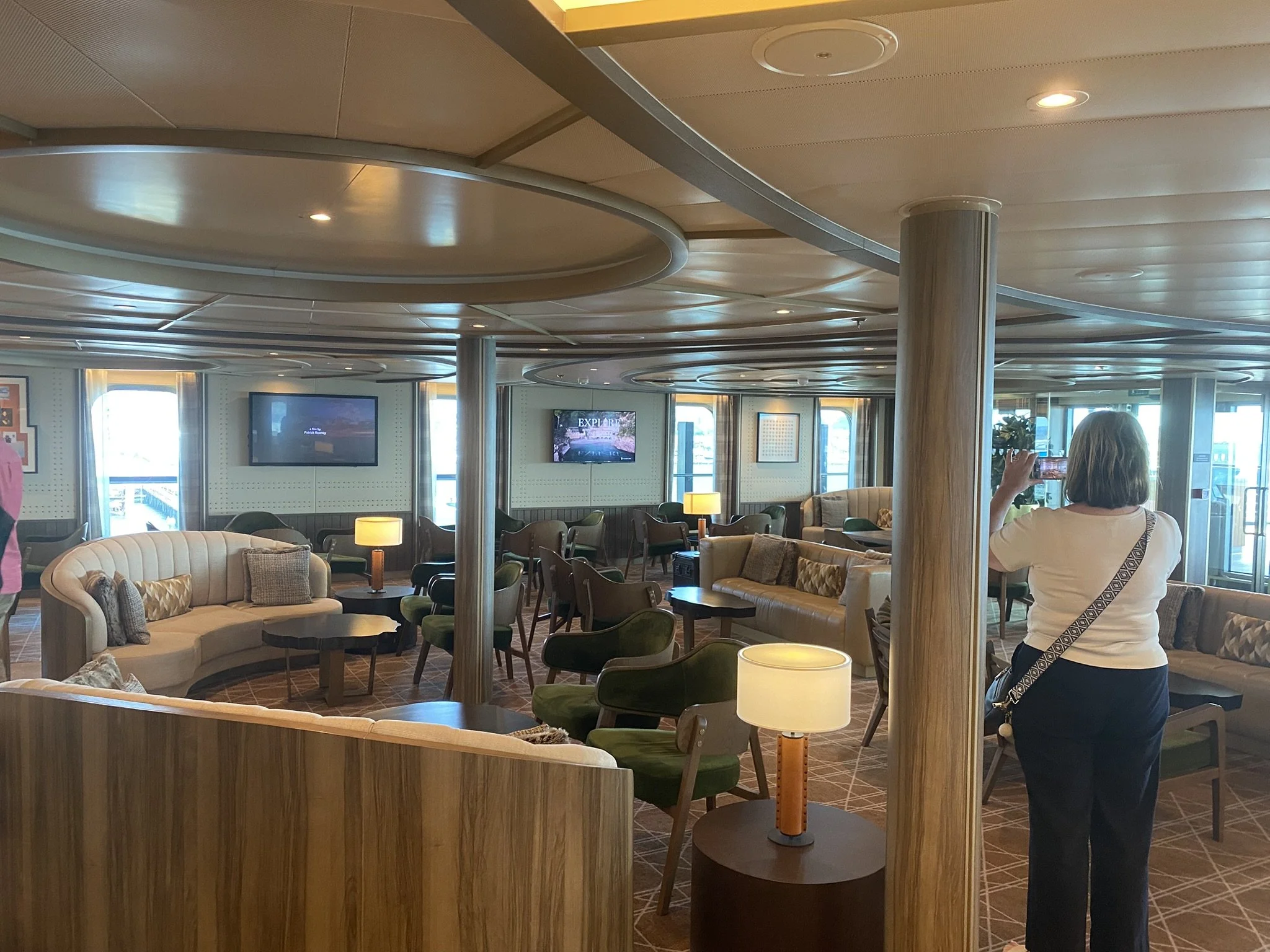
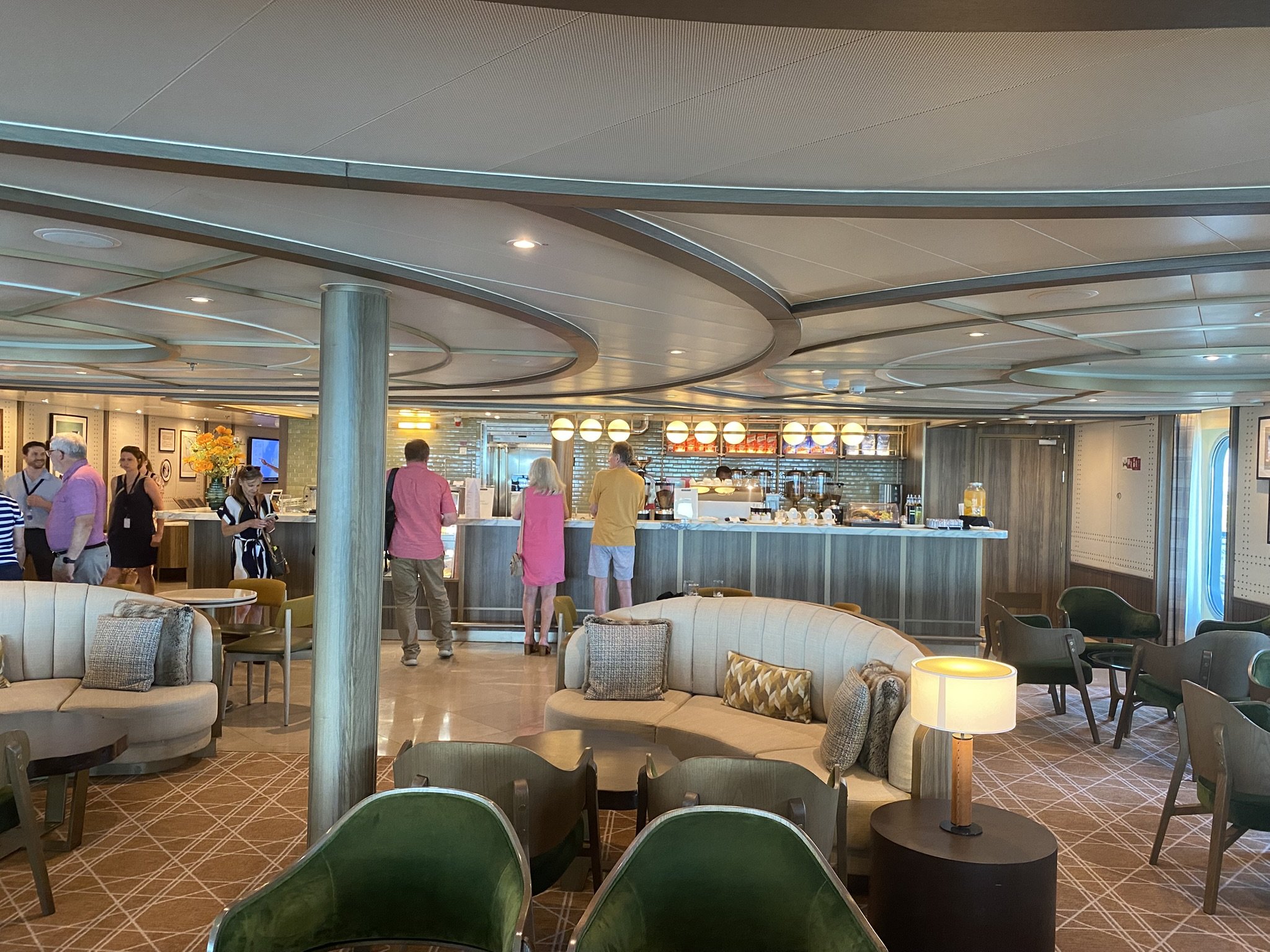
The ships are designed as luxurious bases from which to explore, with Zodiac excursions, expert-led experiences and plenty of opportunities to get close to the environment.
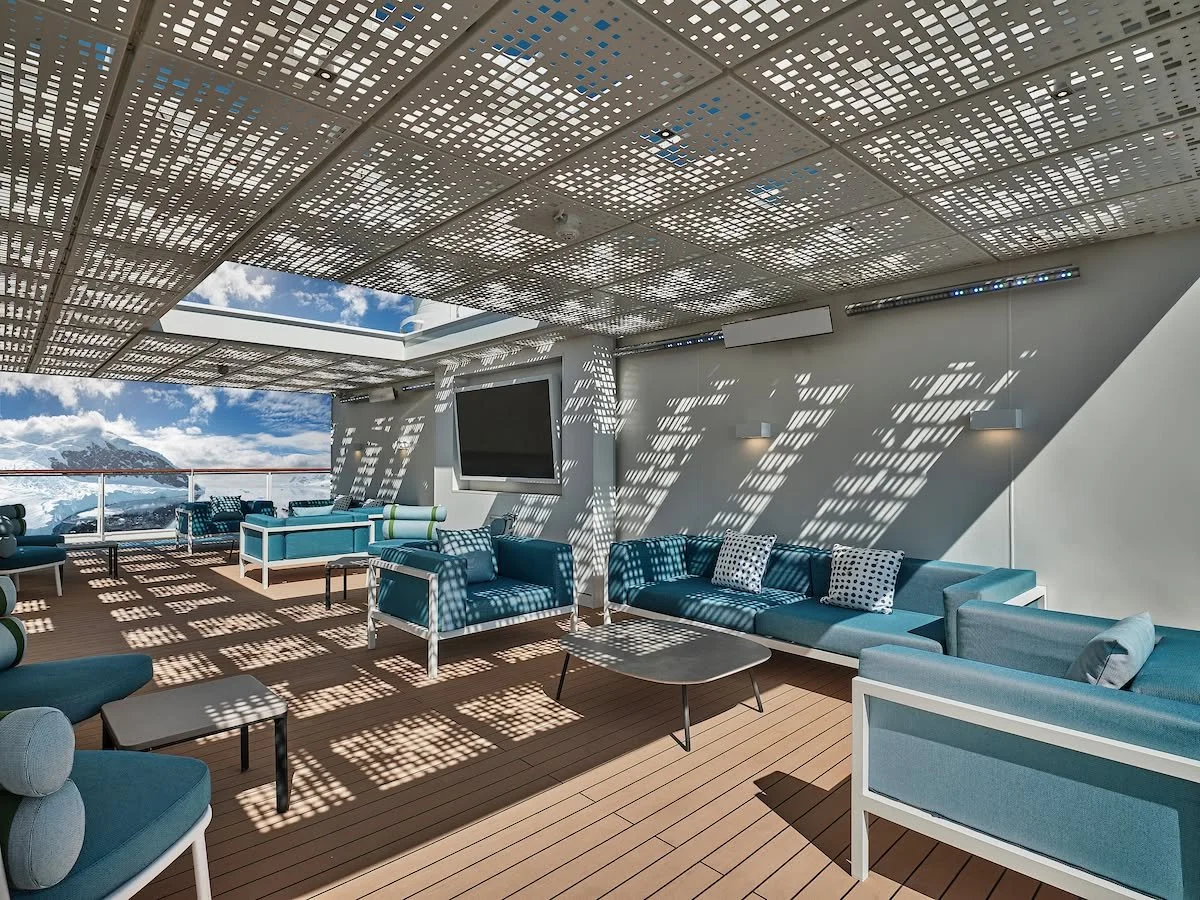
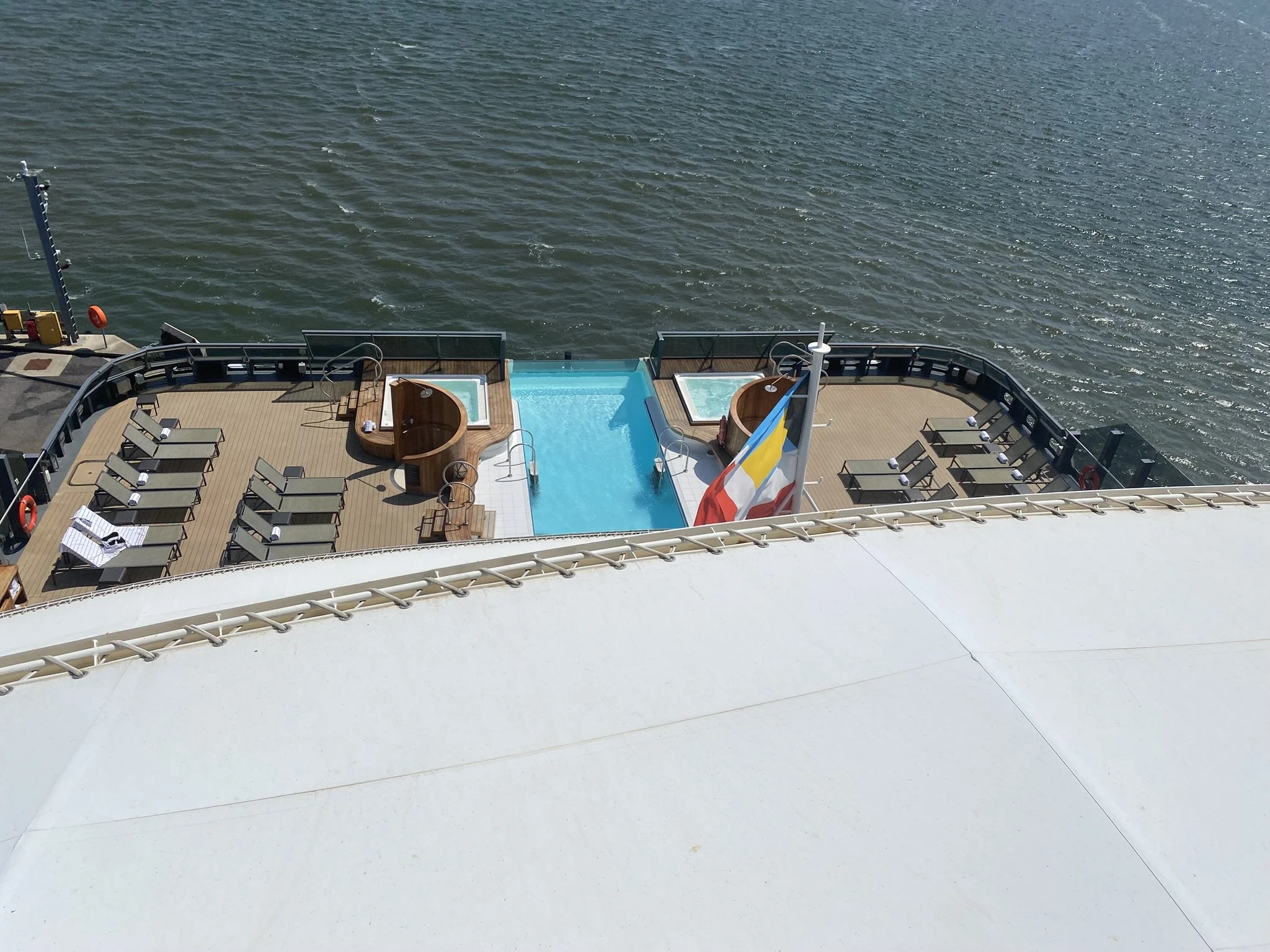
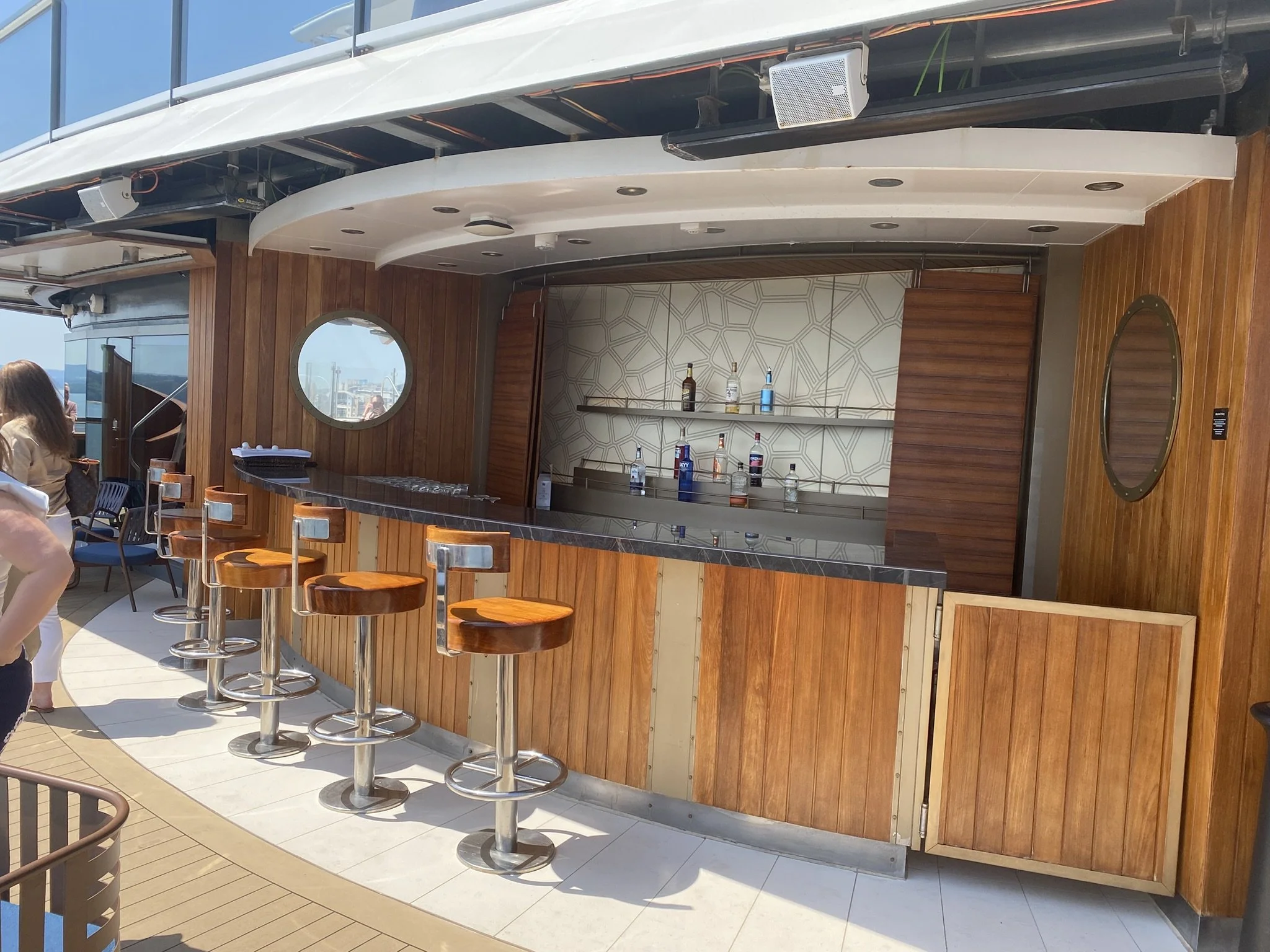
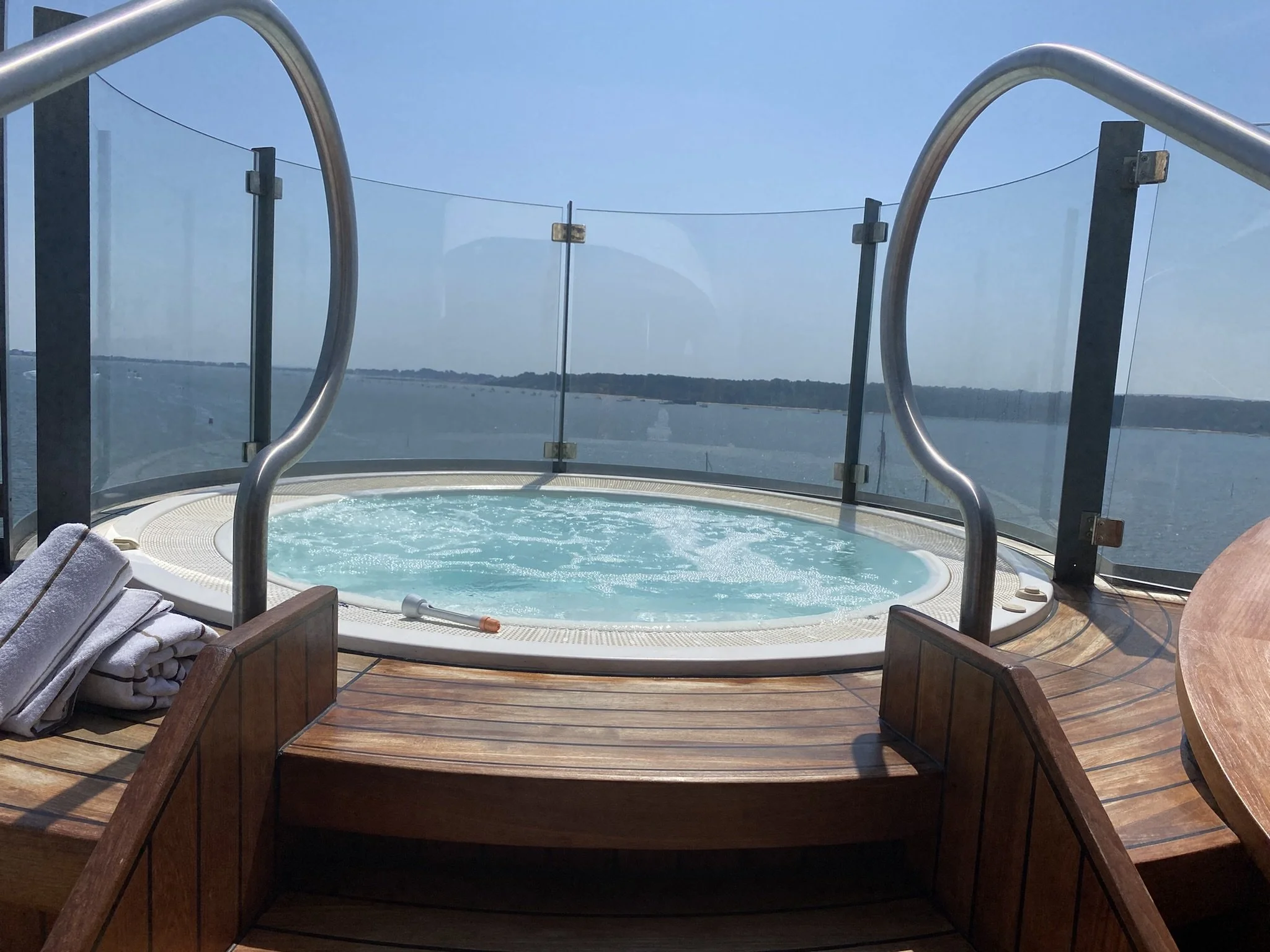
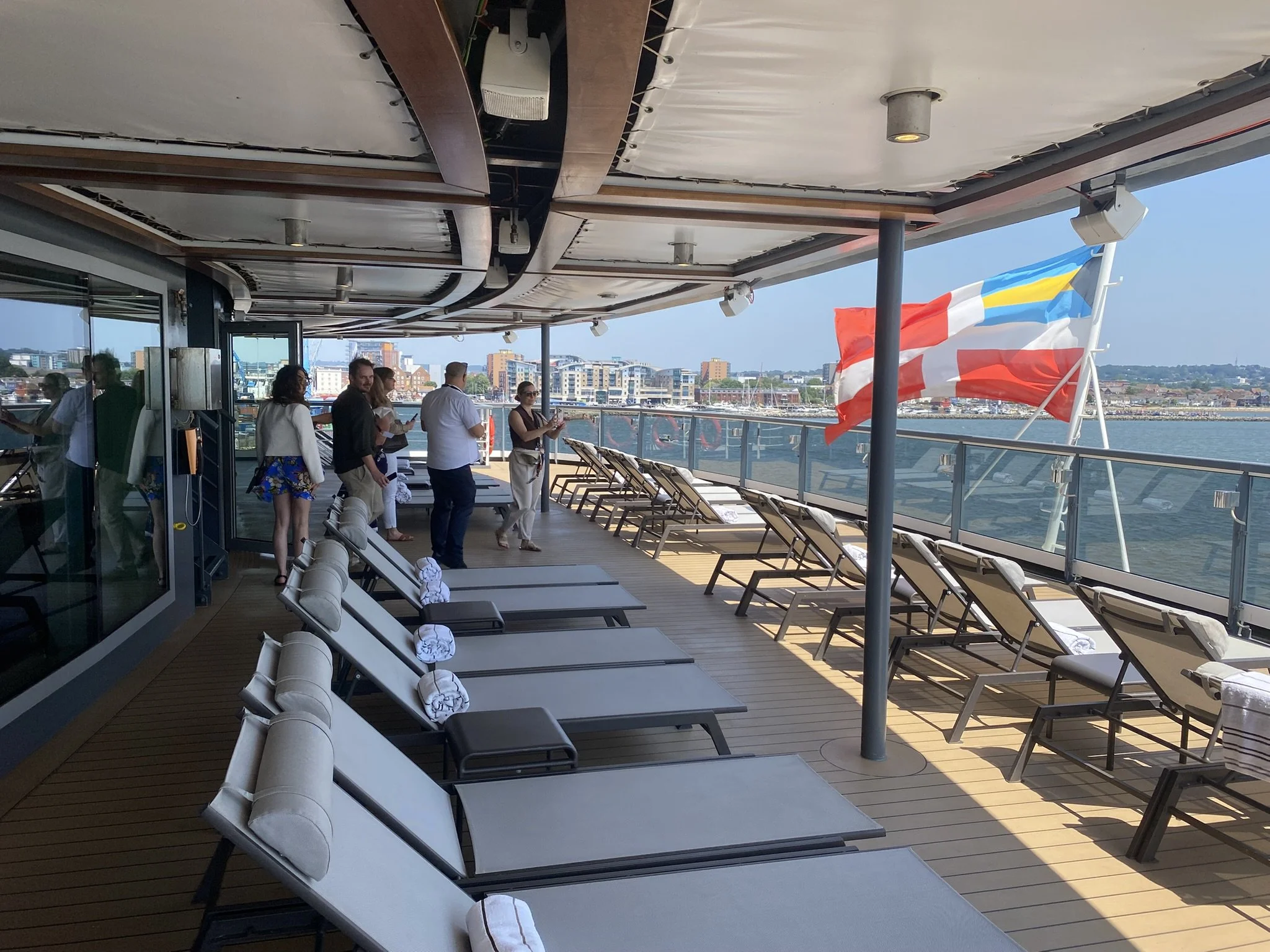
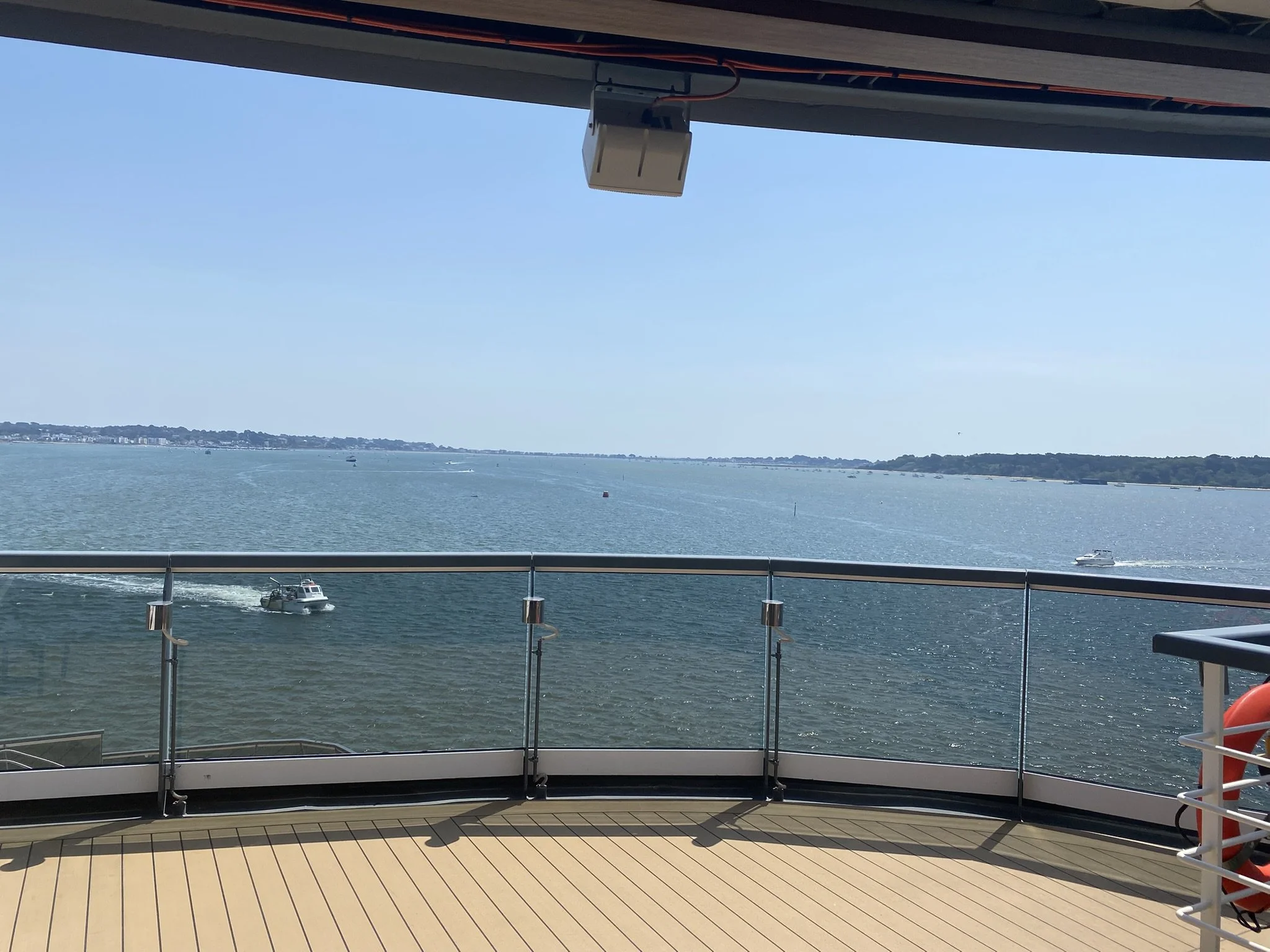
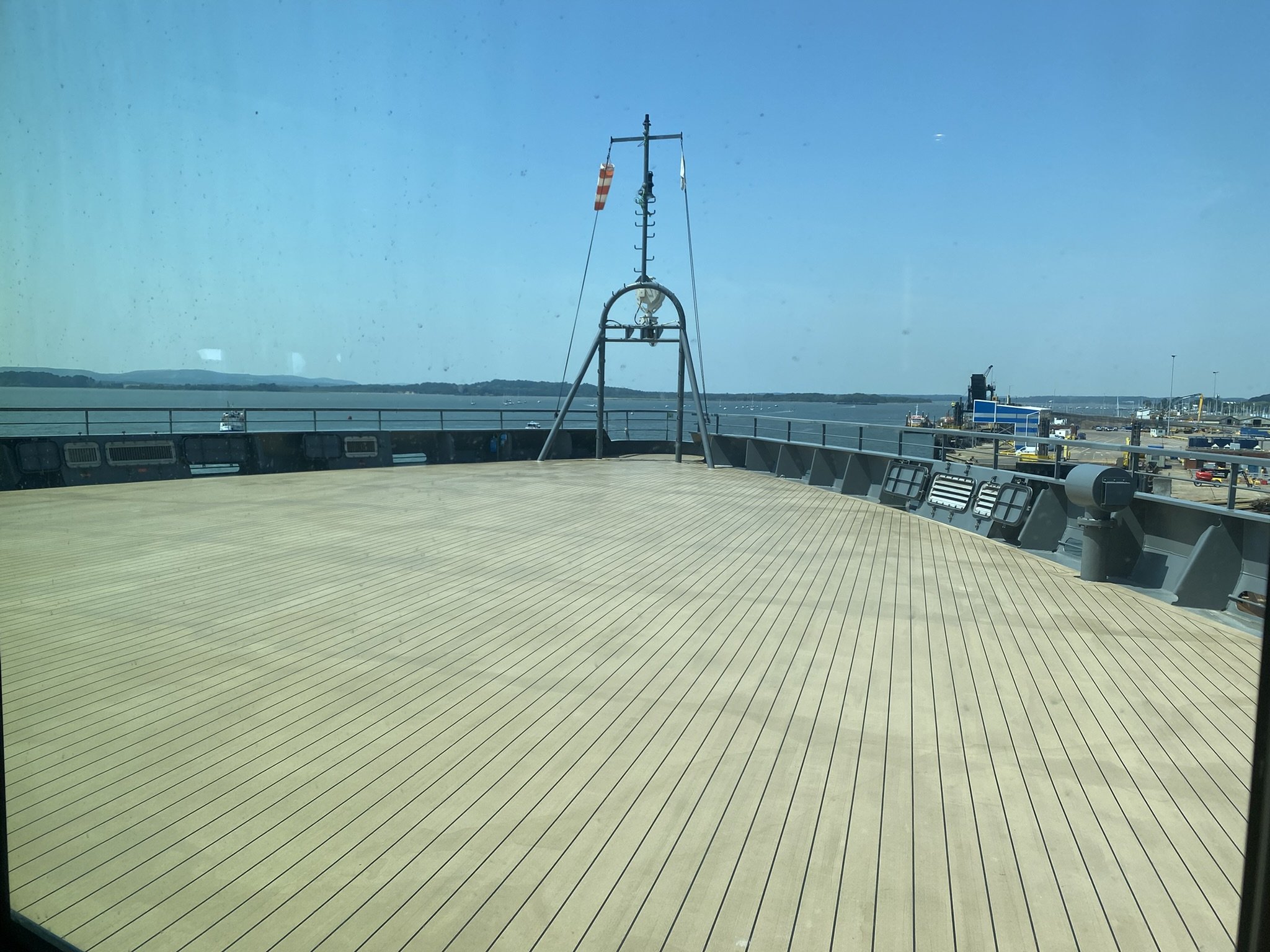
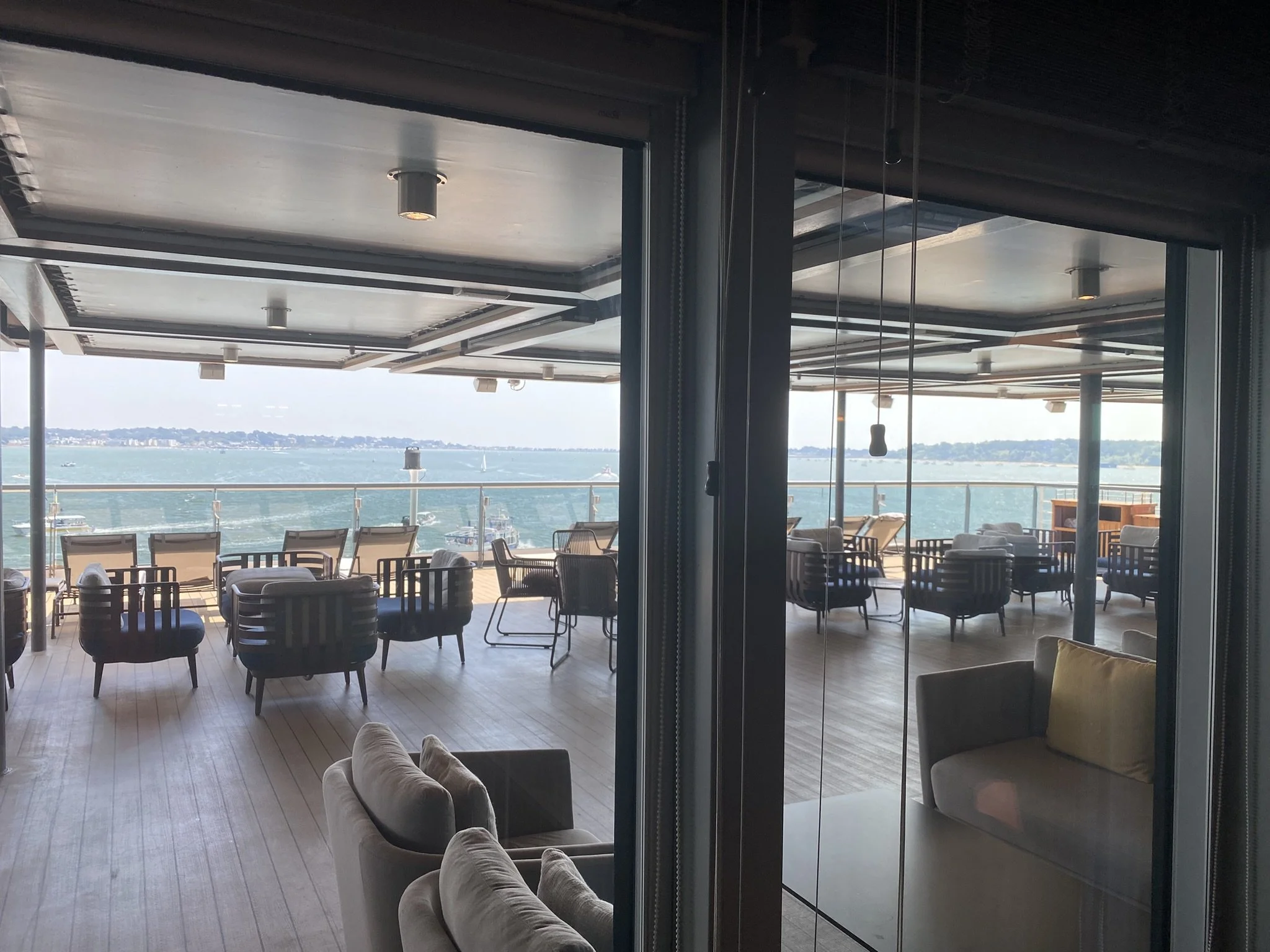
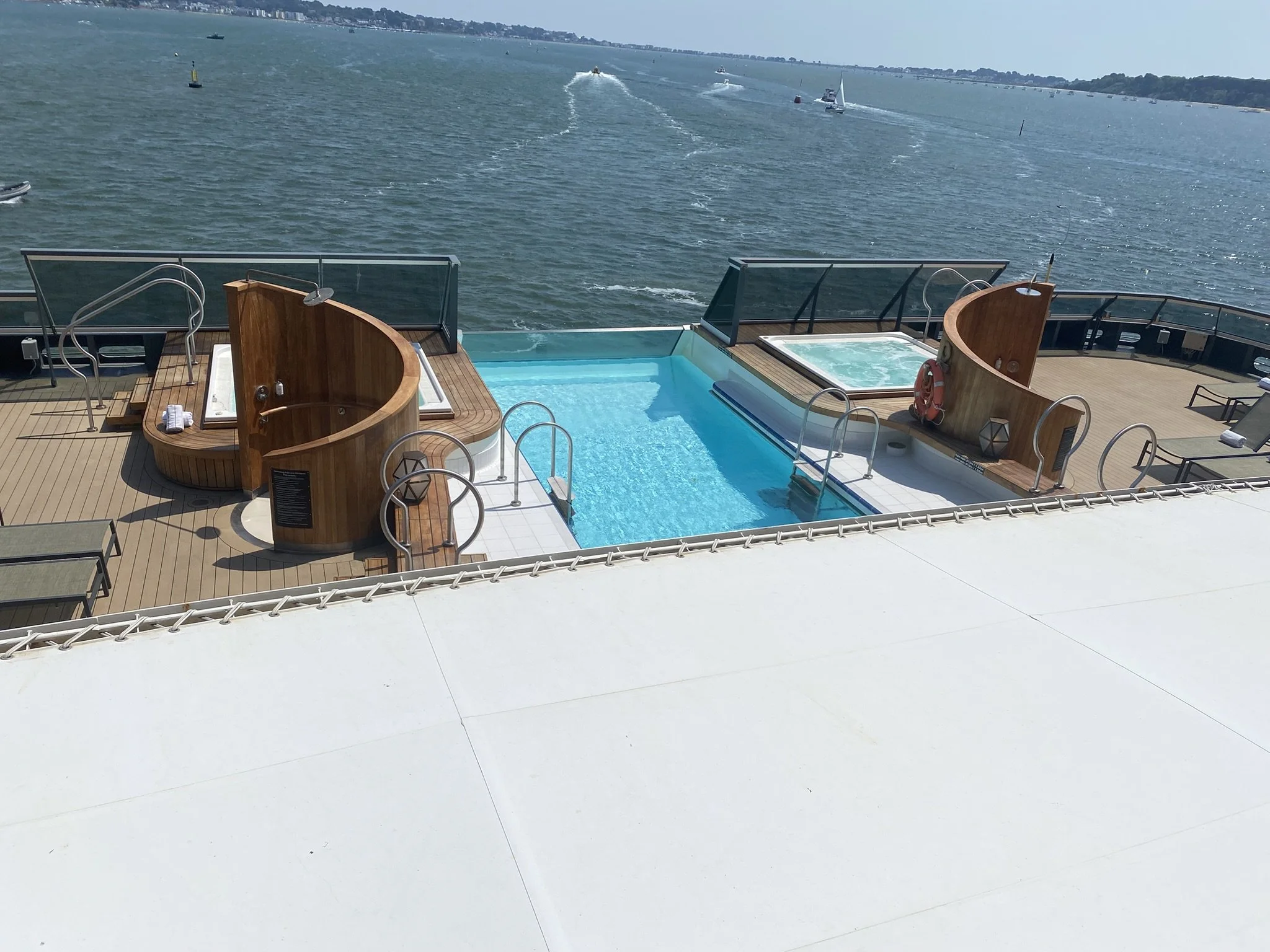
What really impressed me about the ship was the sheer amount of outdoor space, designed to let you get right up front and experience the thrill of breaking through the ice, while giving you every opportunity to spot wildlife from different vantage points.
I would recommend Seabourn for clients who want a very high level of personal service alongside their expedition experience.
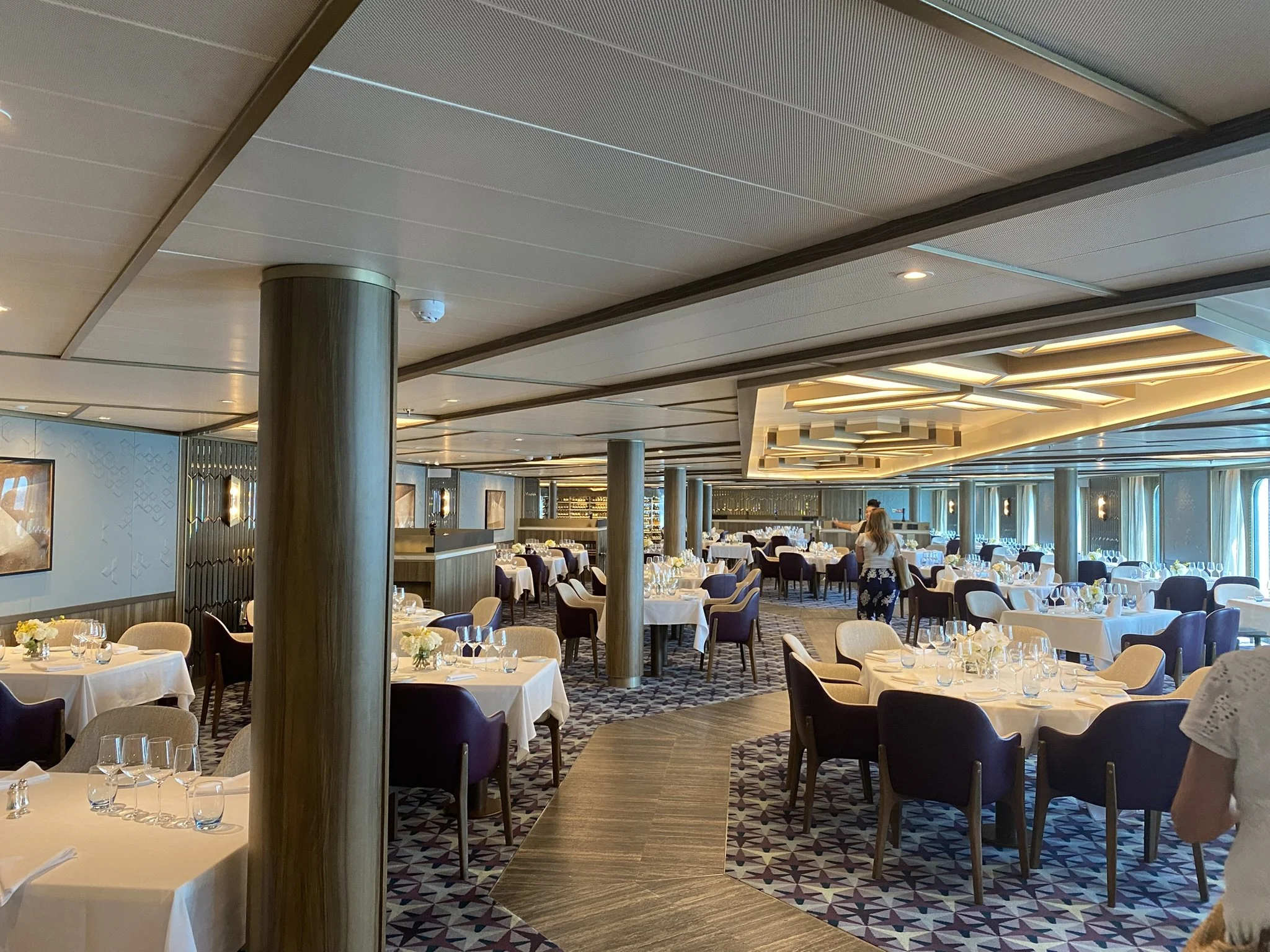
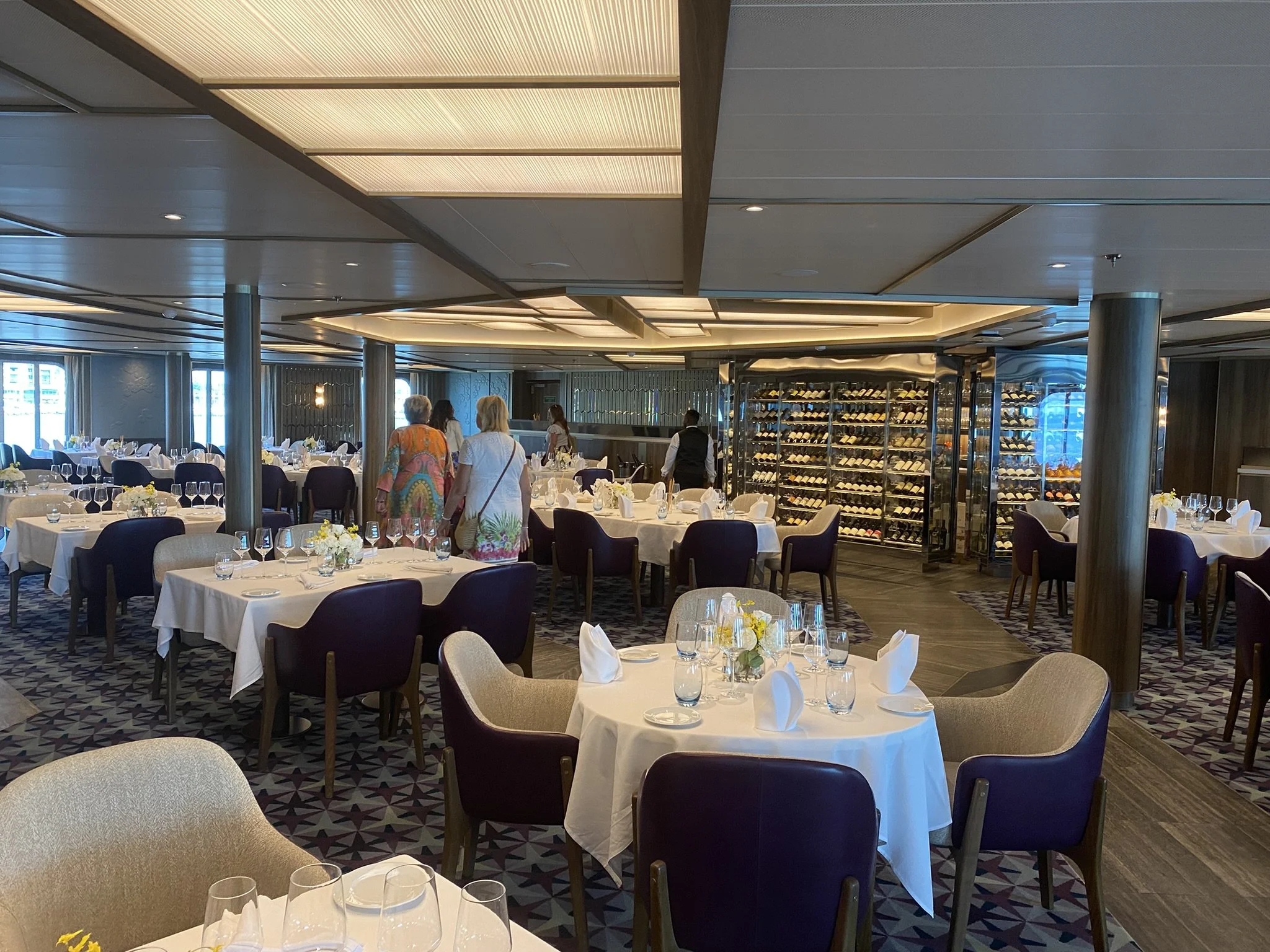
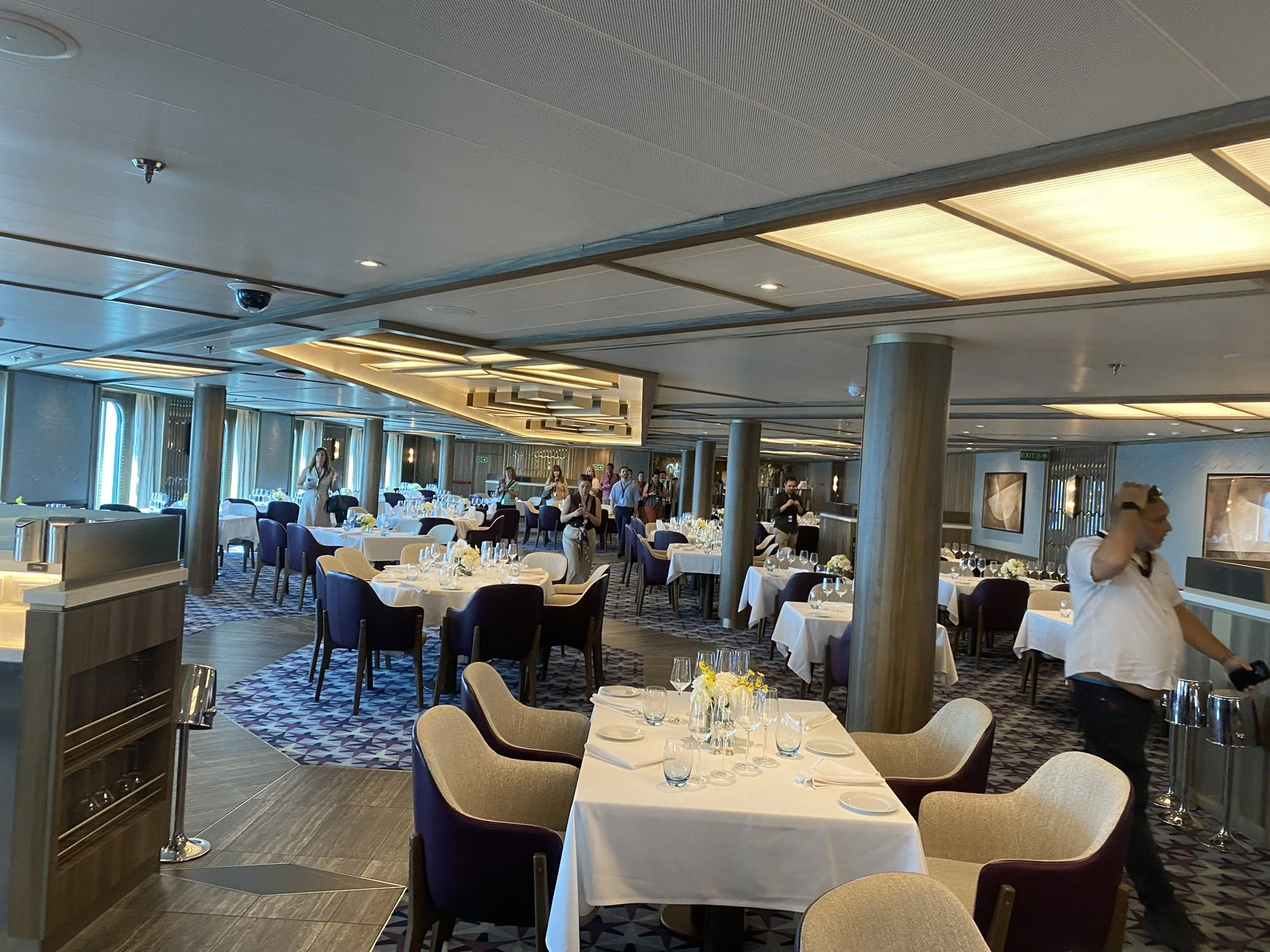
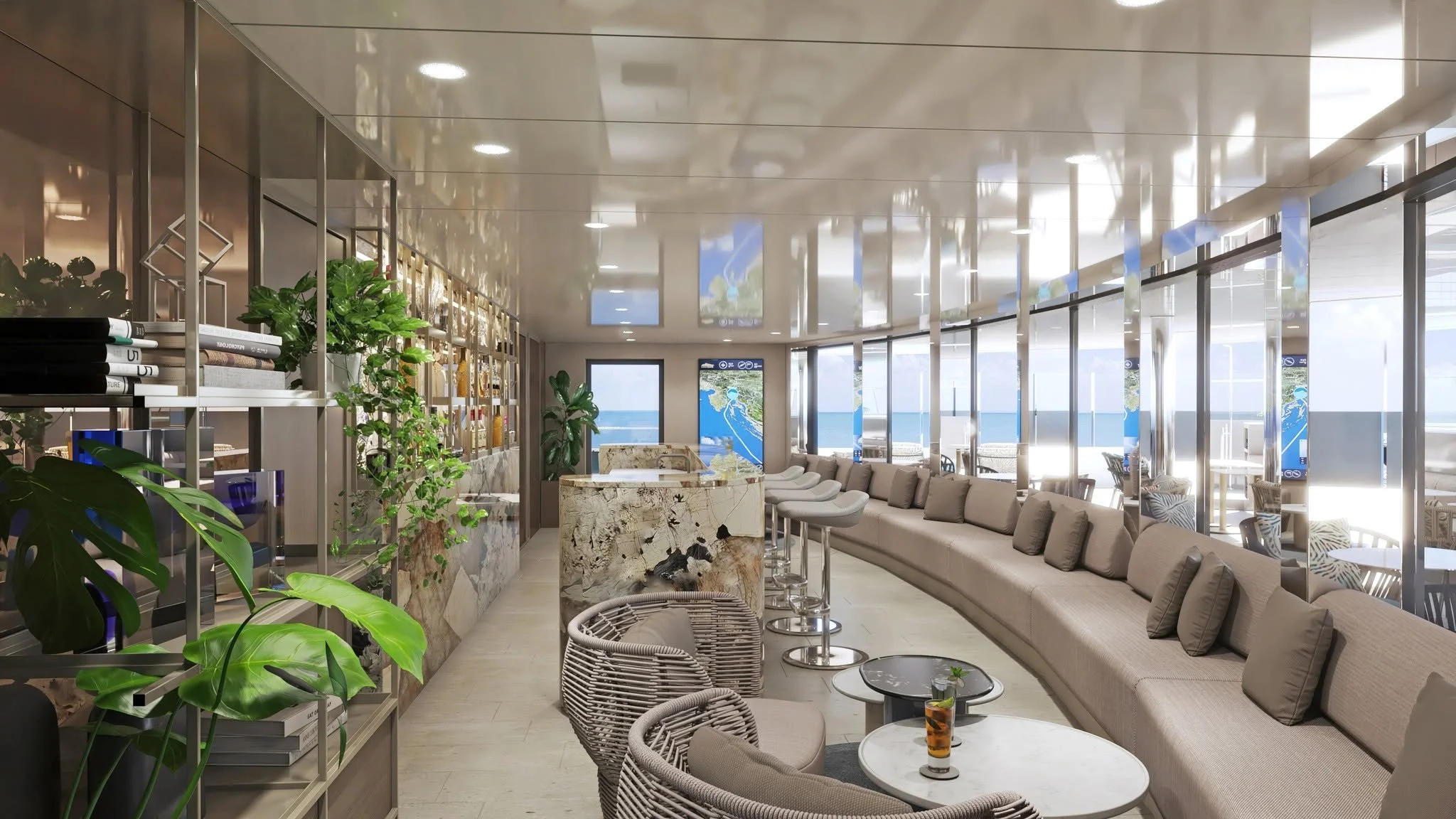
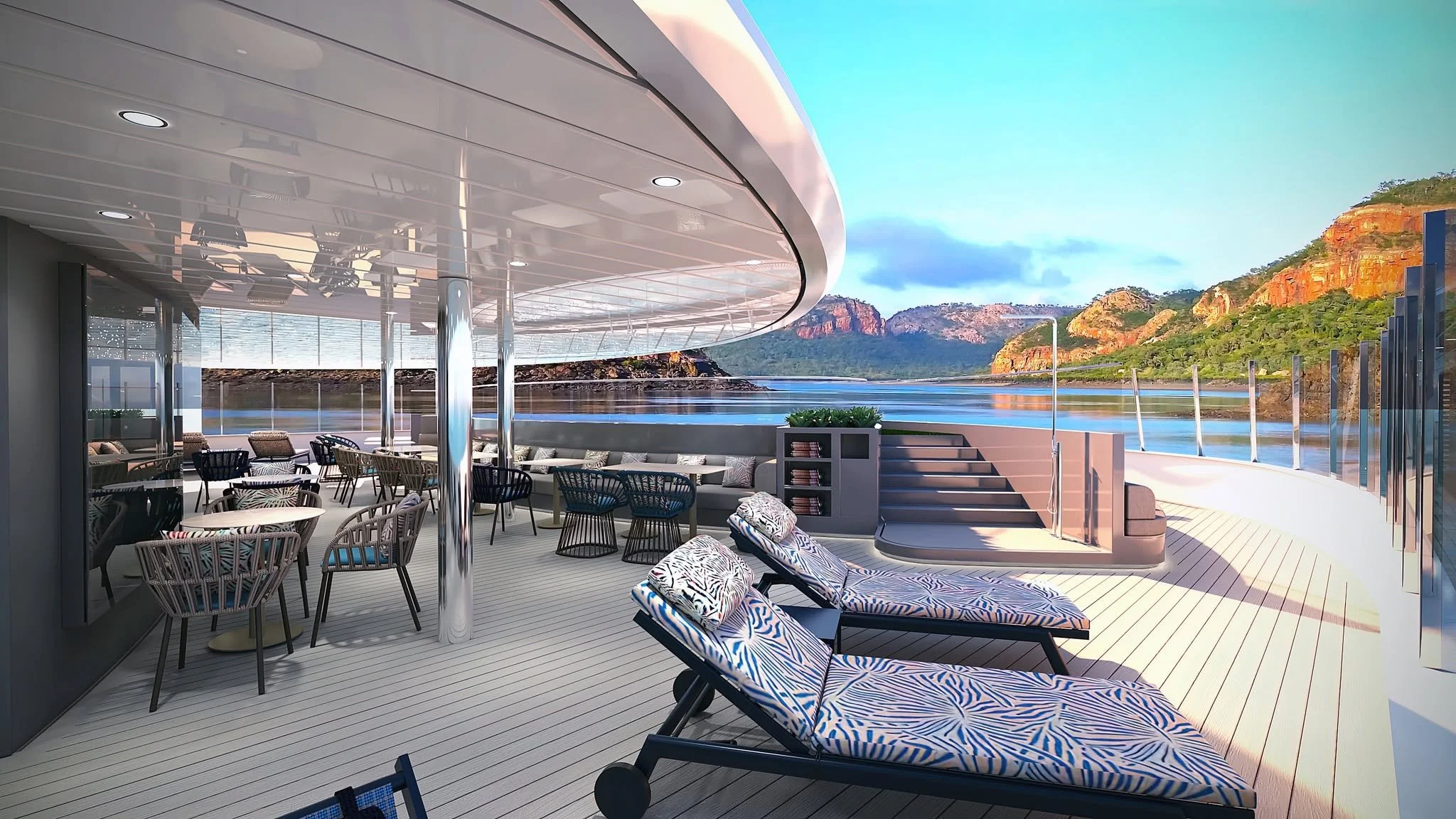
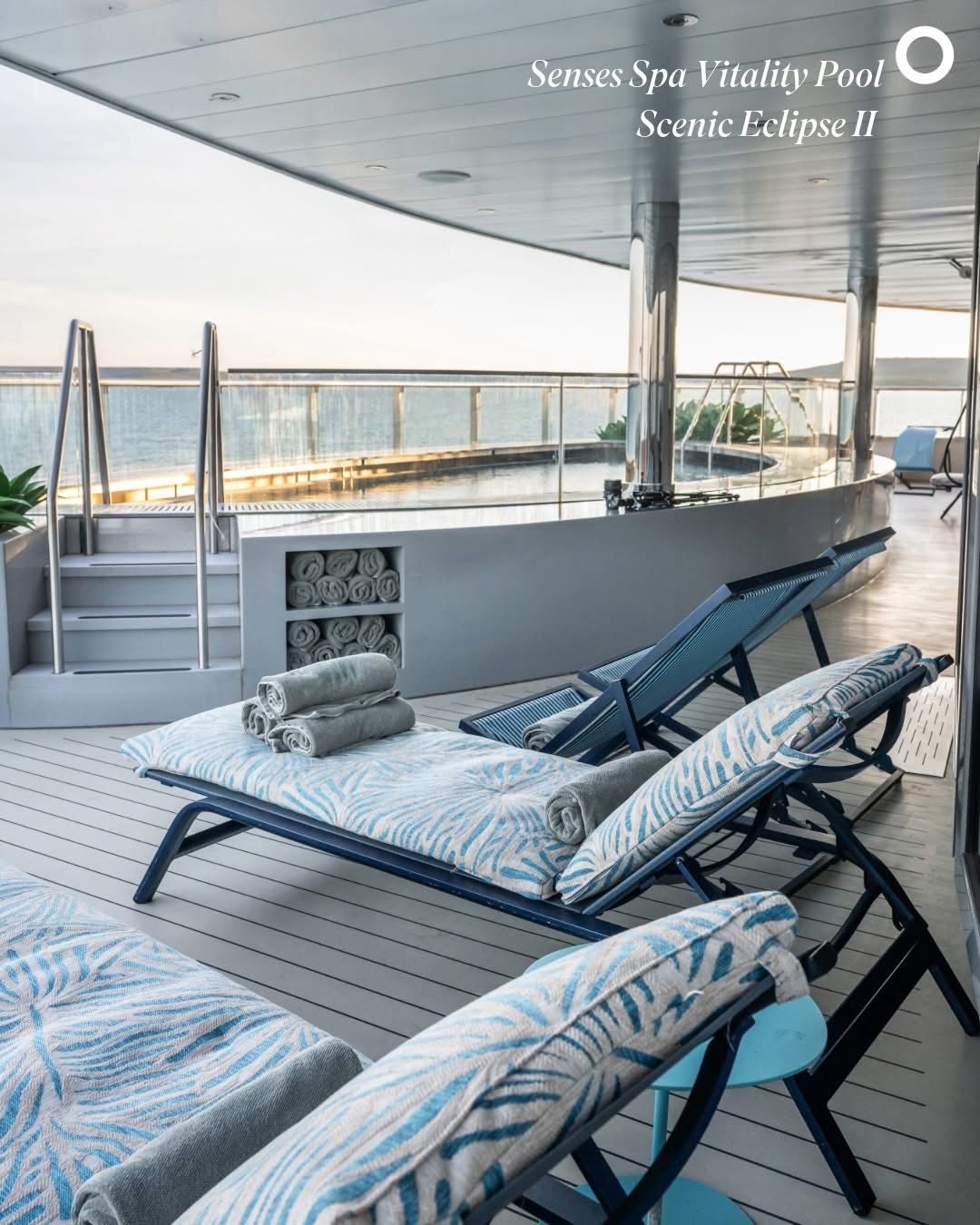
Scenic Eclipse
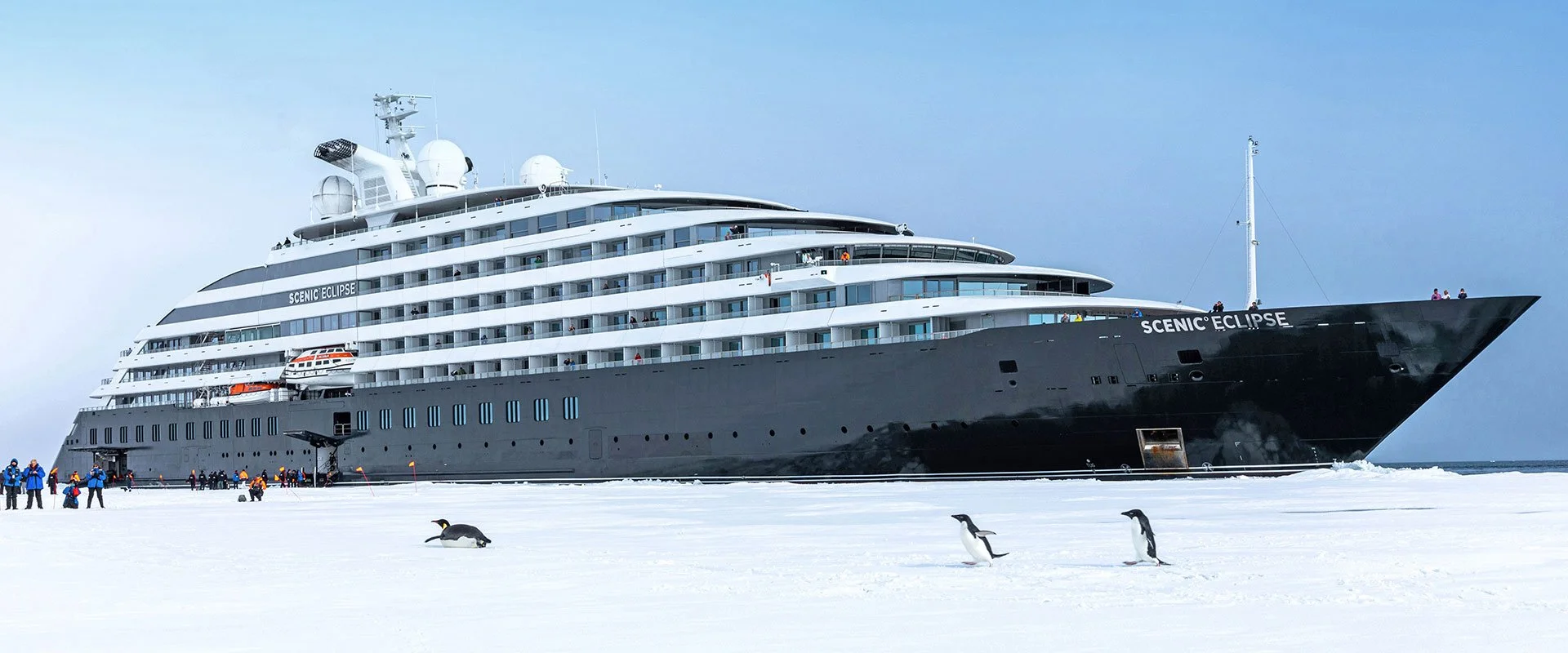
Scenic Eclipse takes the whole concept of luxury expedition cruising to another level.
These are incredibly sophisticated ships, combining all-suite accommodation and butler service with expedition equipment such as Zodiacs and kayaks.
And depending on the destination and conditions, Scenic Eclipse even has helicopters and a submersible.
Yes - A submersible, because apparently a Zodiac wasn't adventurous enough!



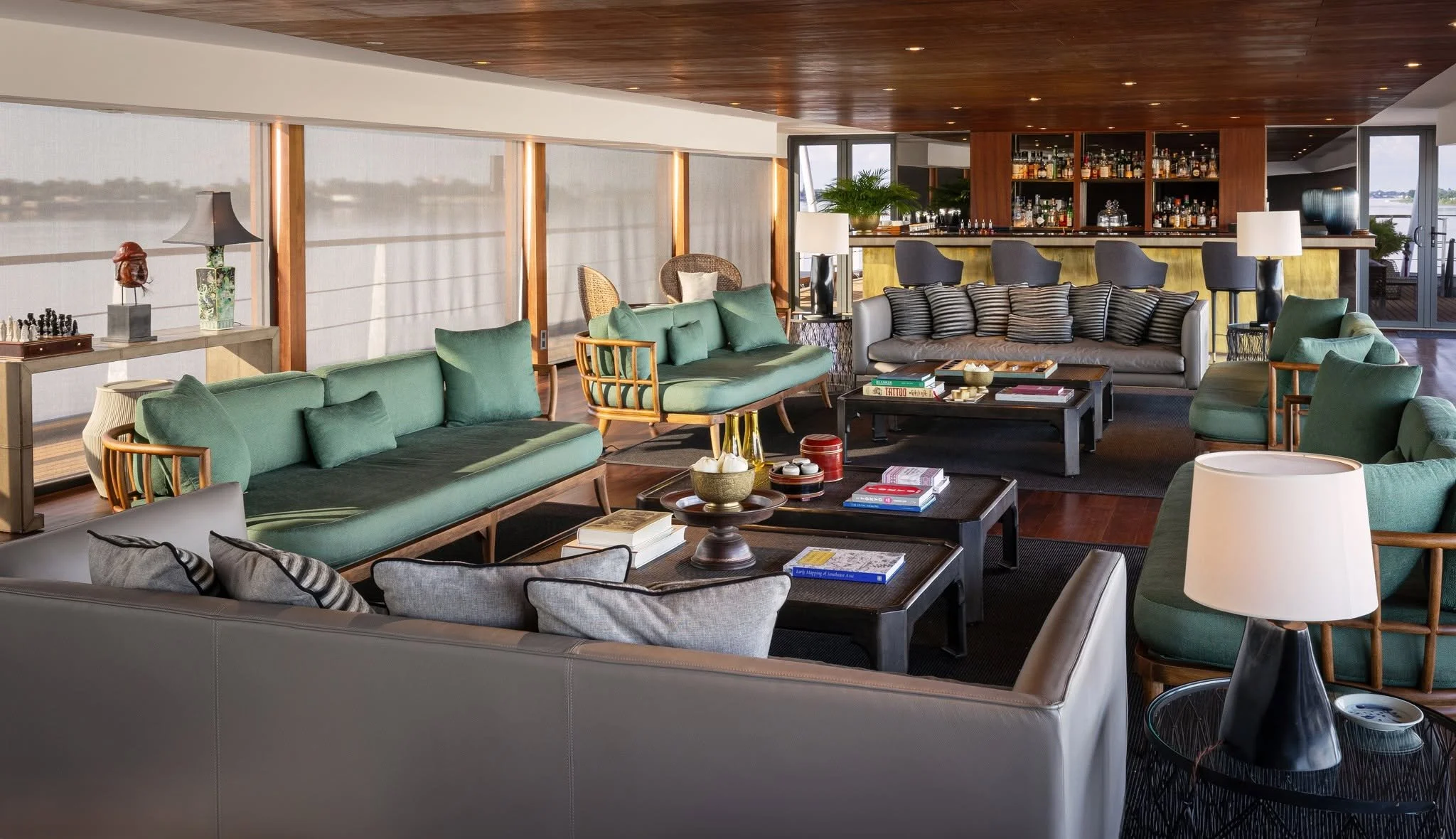
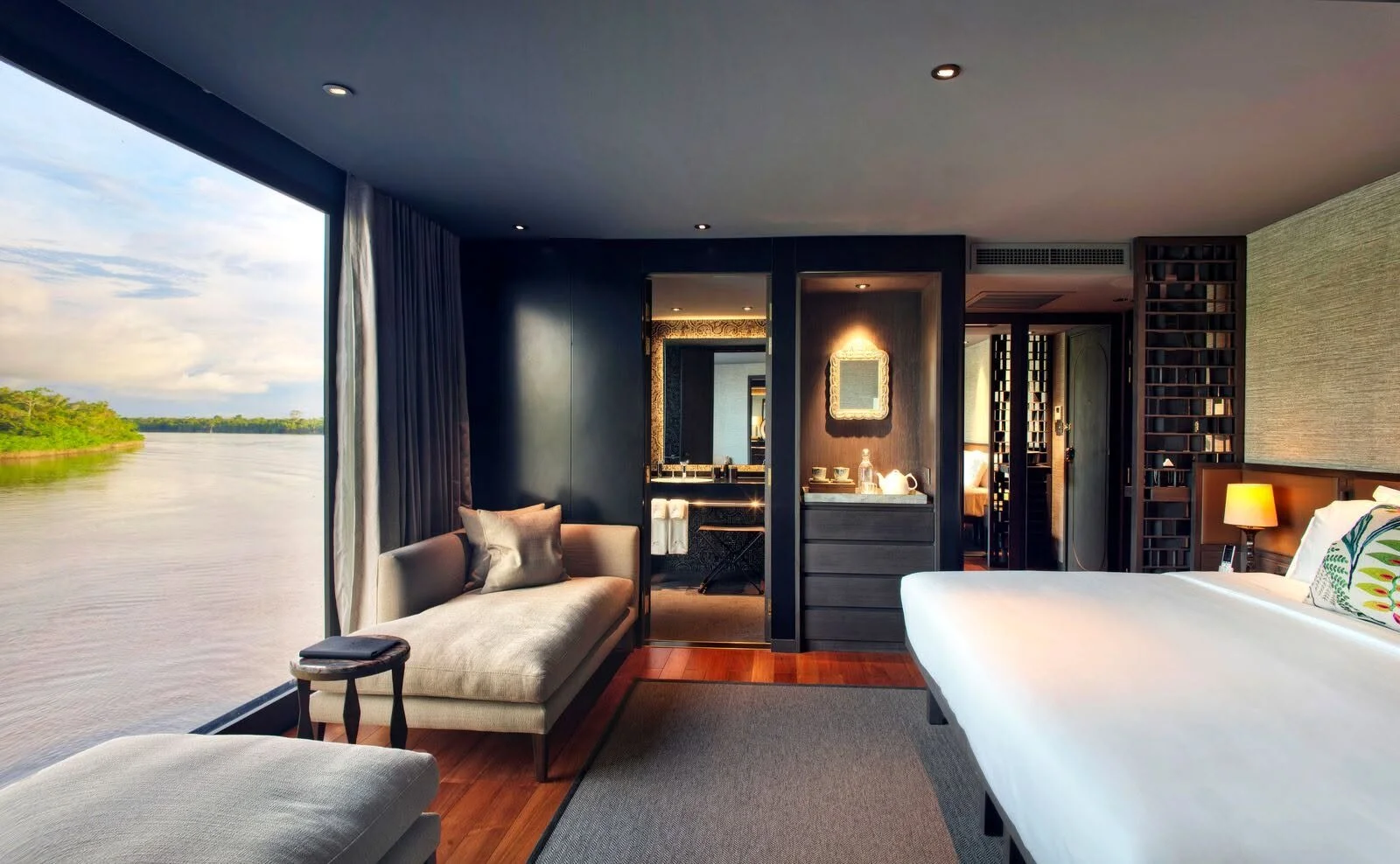
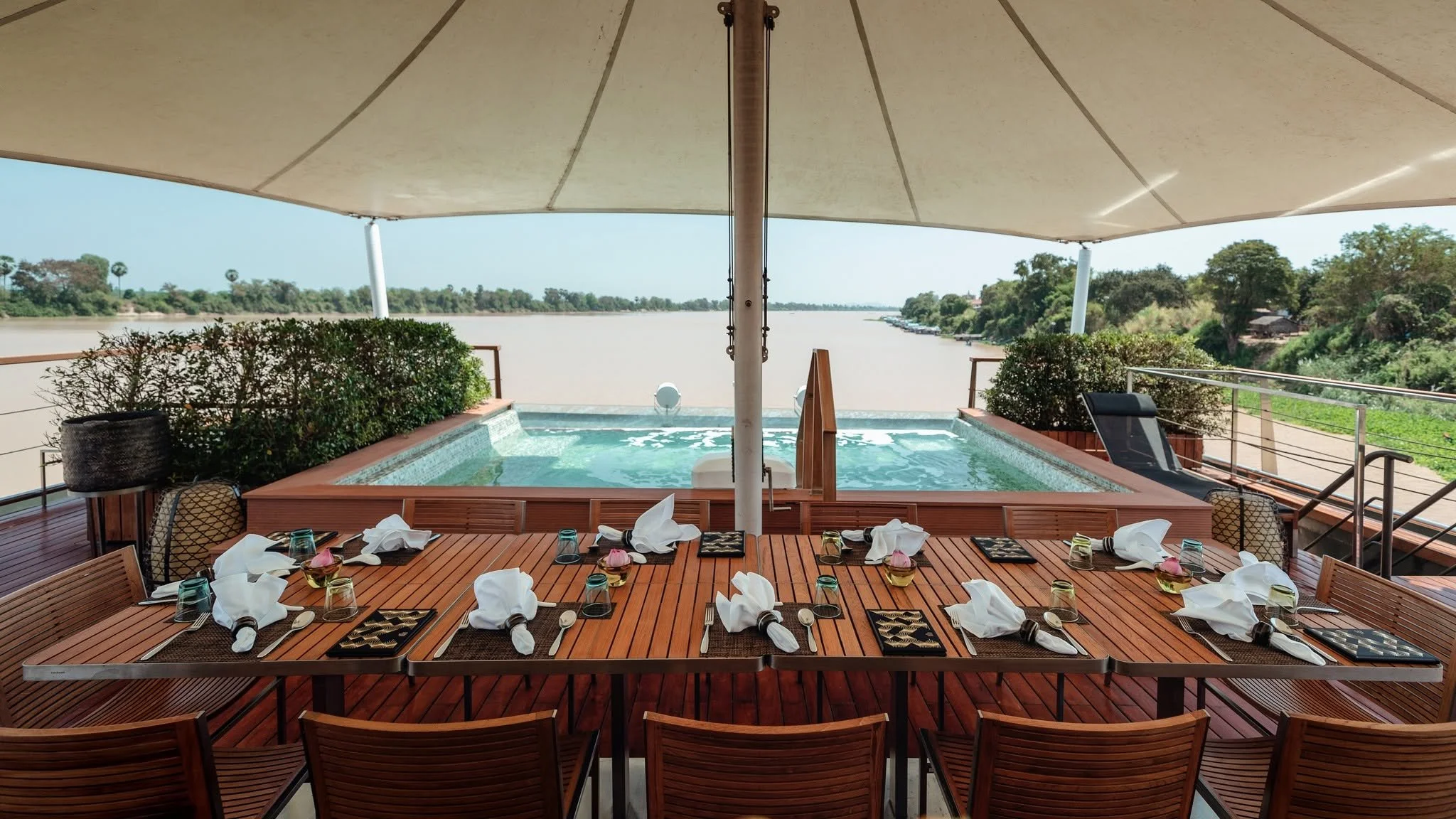
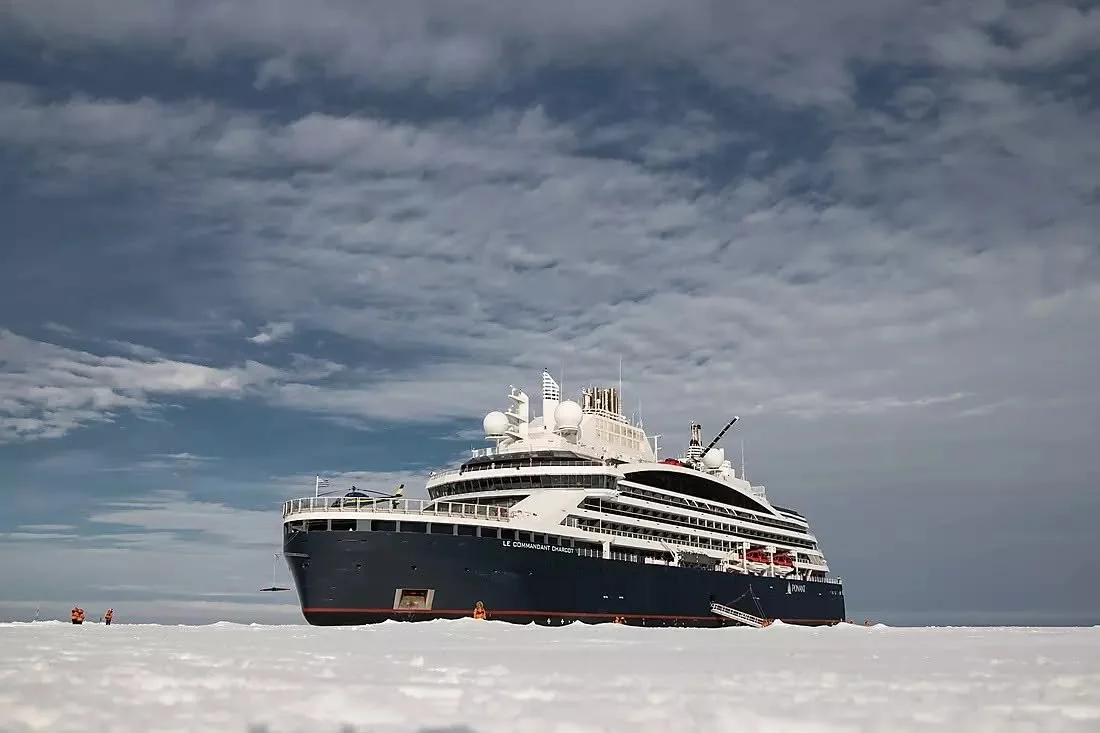
Ponant
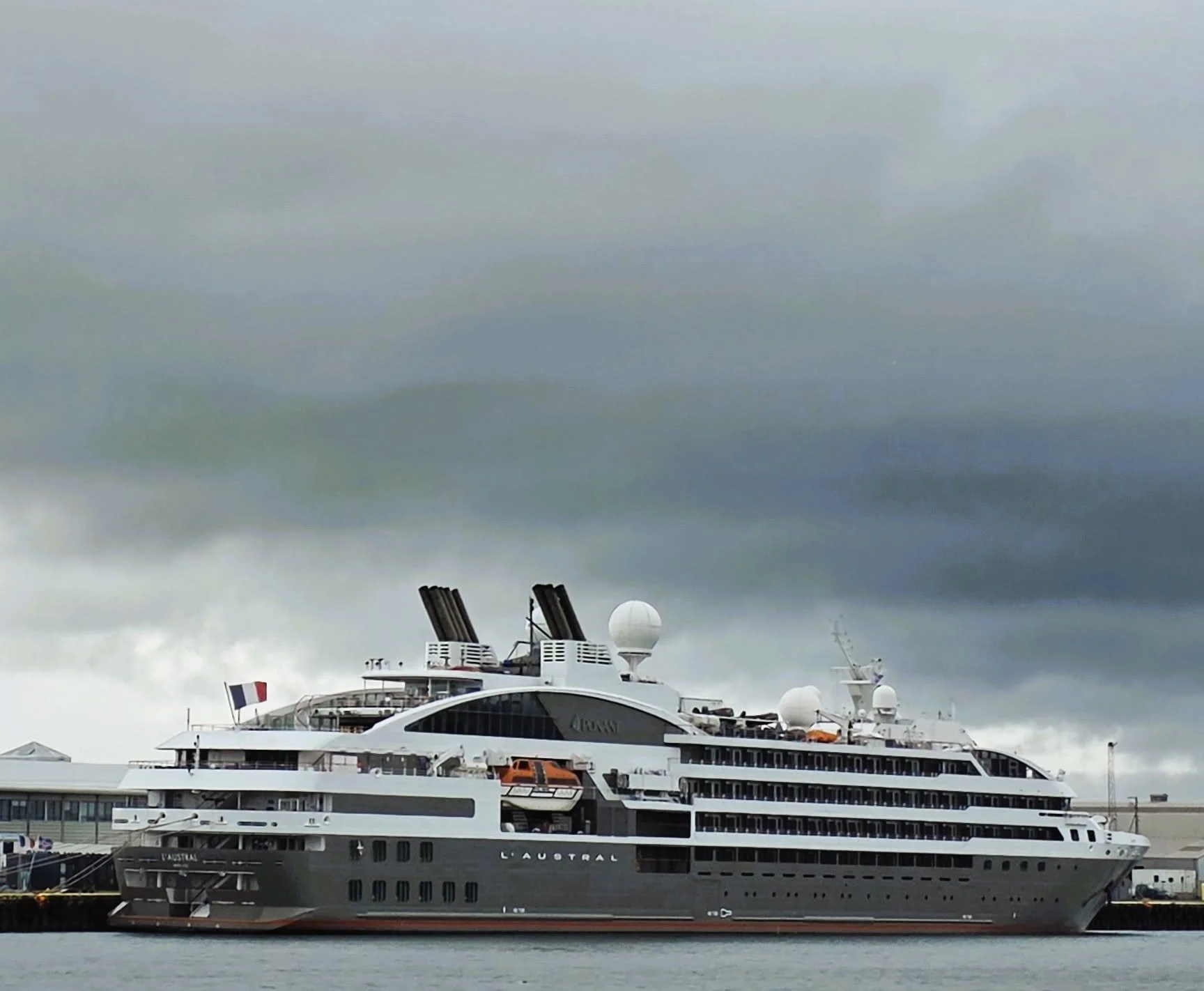
Ponant offers a slightly different take, with its French heritage, elegant small ships and strong expedition credentials.
It's particularly appealing to clients who like a more intimate, sophisticated atmosphere and want to explore some of the world's more remote regions.
Hapag-Lloyd Cruises
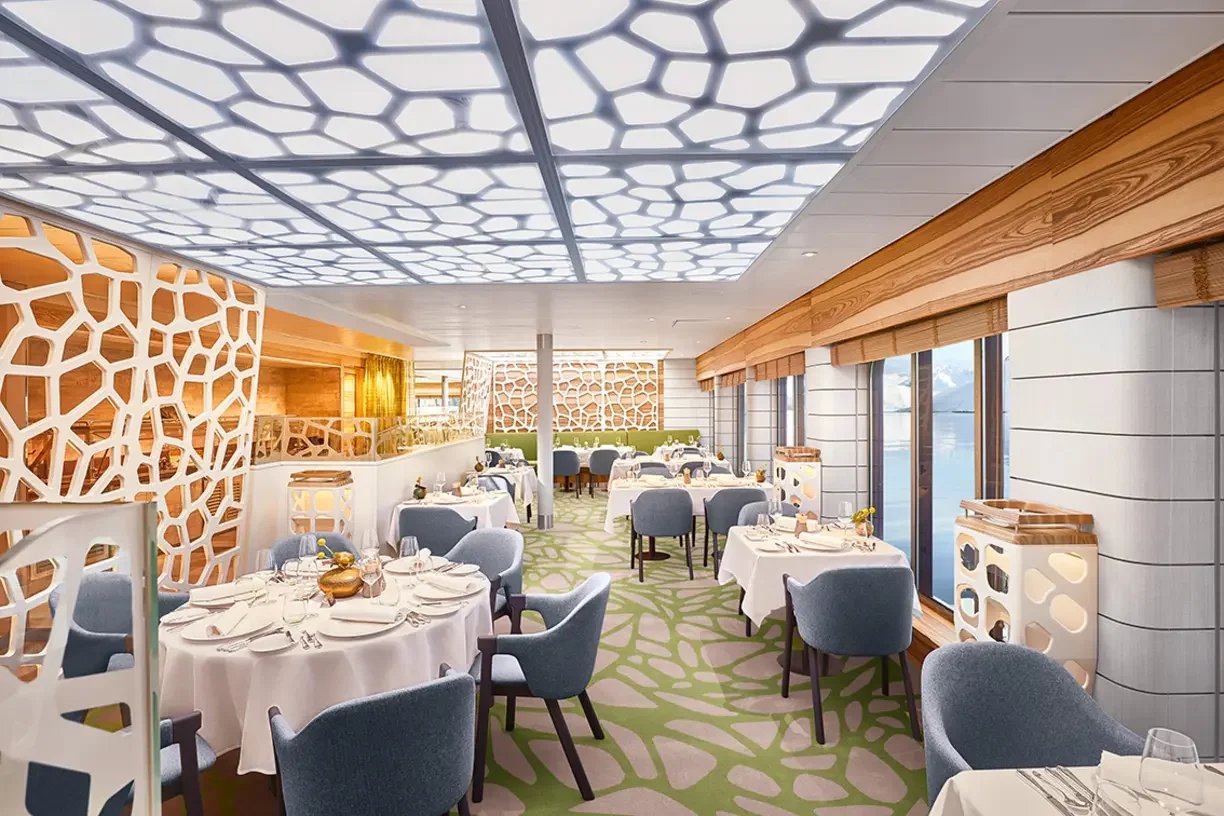
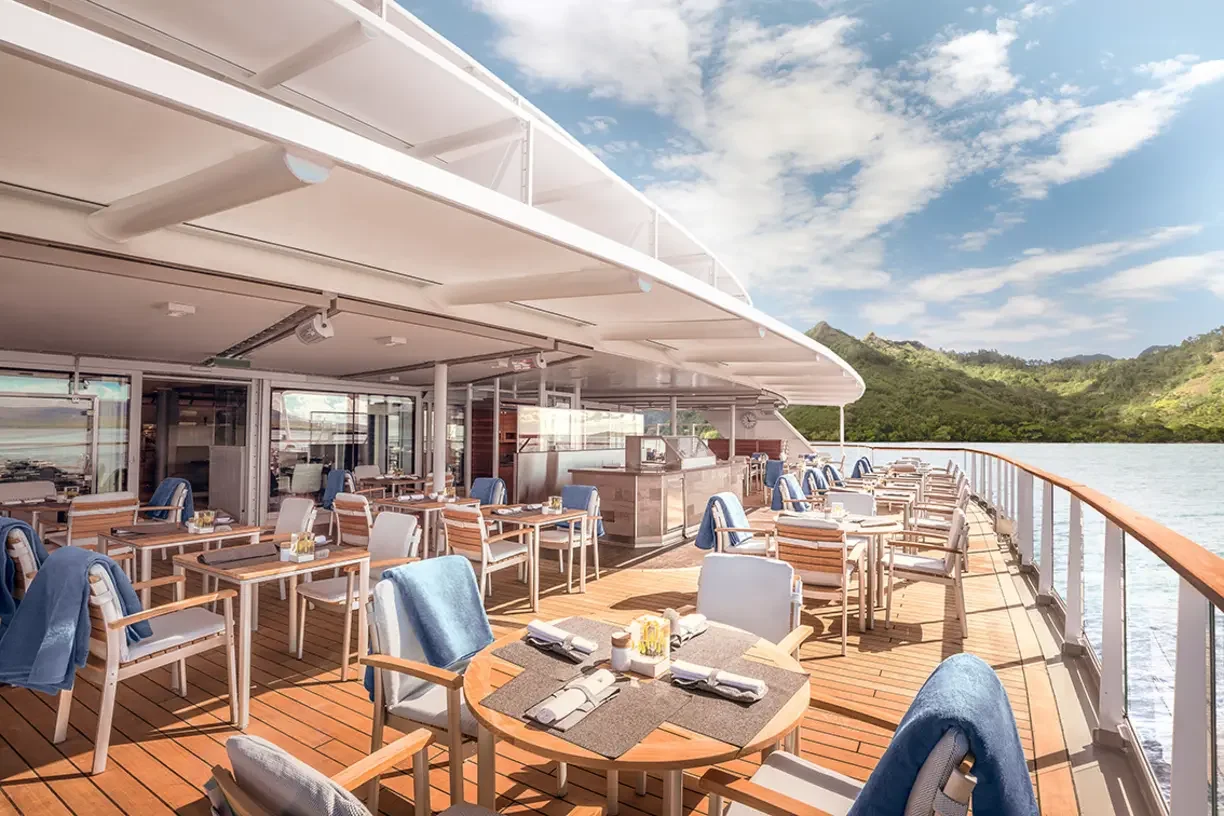
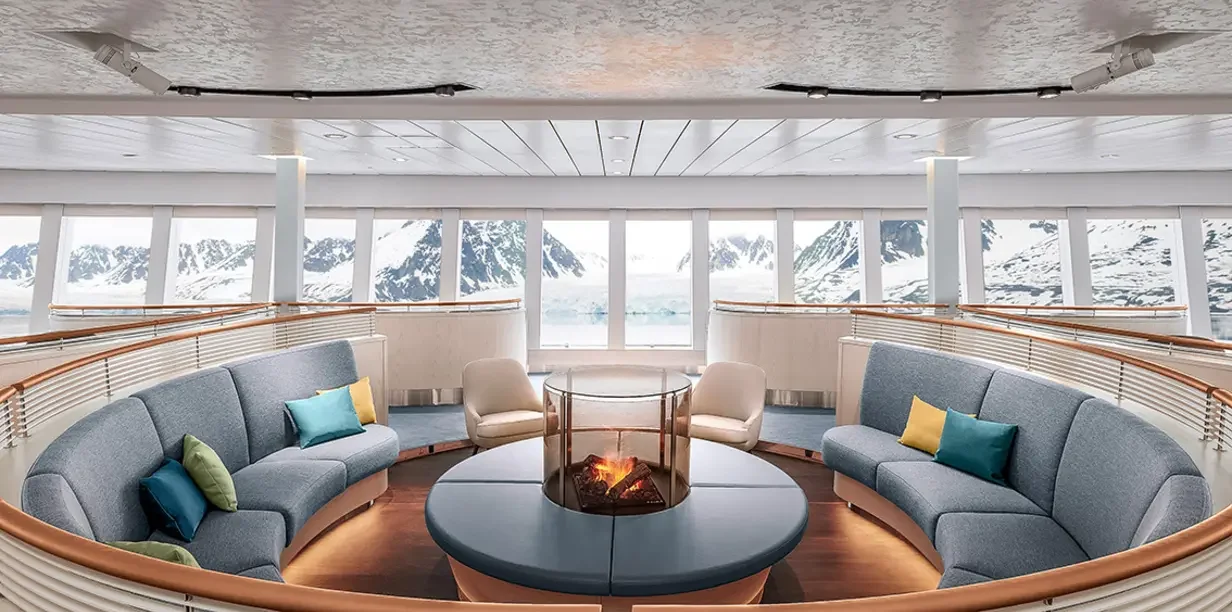
If you’re looking for expedition cruising with a distinctly European, ultra-luxury feel, Hapag-Lloyd Cruises is one to consider. Its Hanseatic expedition ships are small enough to take you into some of the world's more remote destinations, while still offering the elegant surroundings, exceptional service and sophisticated dining you'd expect from a luxury cruise.
Lindblad & National Geographic & HX Expeditions
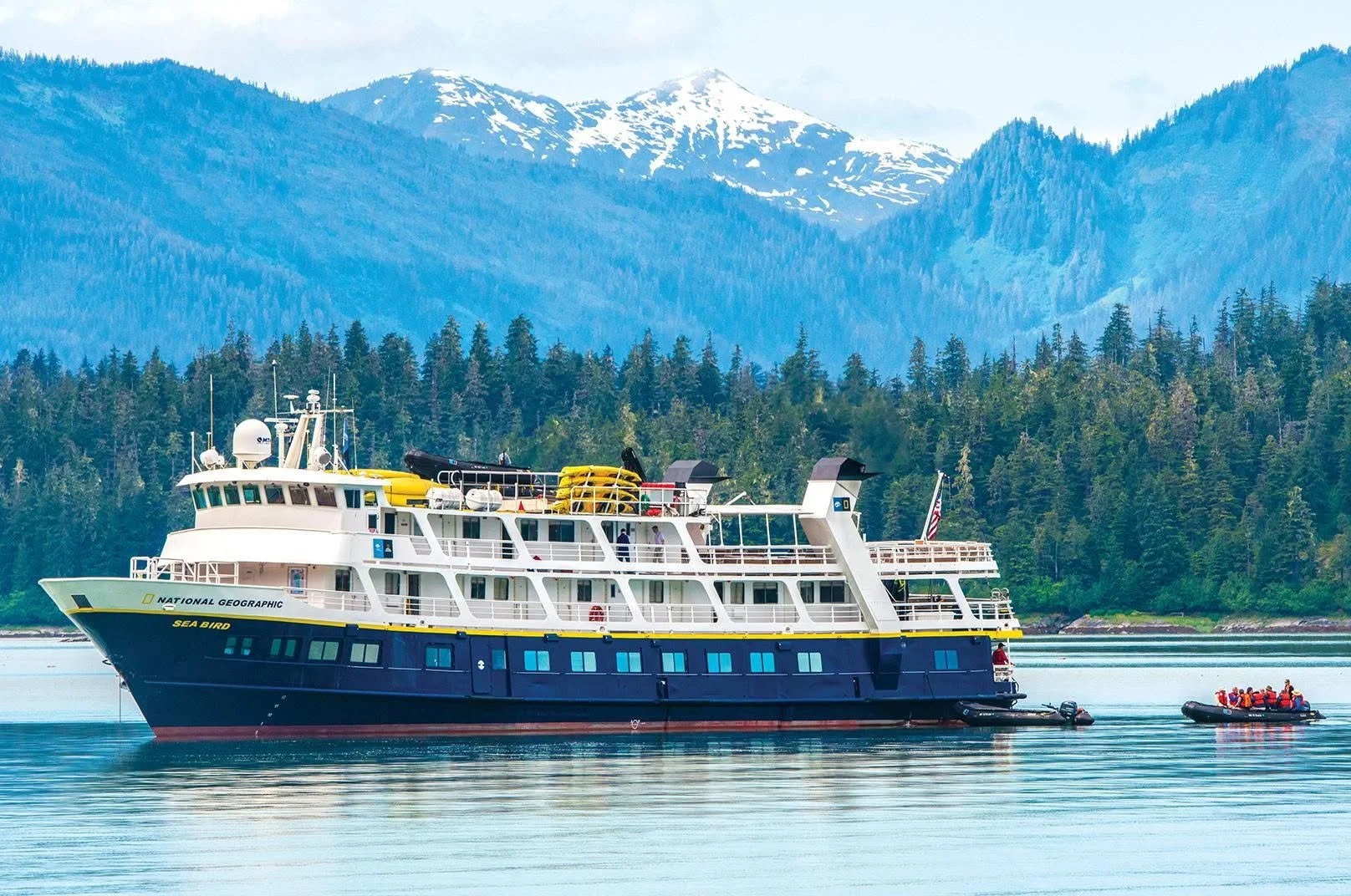
If your priority is wildlife, photography, conservation and learning about the destination, Lindblad Expeditions and HX are names worth knowing.
The focus here is very much on the expedition itself, with knowledgeable naturalists and experts helping you understand what you're seeing rather than simply pointing out the scenery.
National Geographic Expedition
Who is an expedition cruise really for?
Well, perhaps it's for you if…
You've already visited many of the obvious cruise destinations.
You'd rather see penguins than another shopping mall.
You love wildlife.
You're fascinated by nature and different cultures.
You want to travel somewhere that feels genuinely remote.
You enjoy learning about the places you're visiting.
You like the idea of a smaller ship.
You want experiences rather than simply destinations.
But there is another type of person who I think expedition cruising suits particularly well.
Someone who says:
“I've done the Caribbean. I've done the Med. I've done the usual European cruise itineraries. What's next?”
Well, perhaps it's time to go somewhere completely different.
Is expedition cruising luxurious?
Absolutely…But luxury means different things to different people.
For me, luxury isn't necessarily about having the biggest ship or the most extravagant public areas, in-fact, it’s the direct opposite of this. On an expedition cruise, I’m looking for:
100 people on board rather than 4,000.
An expedition team who know the destination intimately.
changing the plans because a pod of whales has appeared.
Returning from a Zodiac excursion to a beautifully appointed suite.
Exceptional food and wine after a morning spent exploring somewhere very few people ever get to see.
Going somewhere that most people will never experience.
So, would I recommend an expedition cruise?
Absolutely…But not necessarily to everyone.
If you want guaranteed sunshine, endless entertainment and a huge choice of restaurants and activities, a traditional ocean cruise may be a better fit, but if the thought of stepping ashore somewhere remote, watching wildlife in its natural environment and waking up each morning wondering “What are we going to discover today?” excites you…then I think you should seriously consider one.
Because ultimately, an ocean cruise takes you to a destination, and an expedition cruise takes you into it.
Thinking about an expedition cruise?
There are a lot of choices, and the “best” expedition cruise isn't necessarily the most expensive one. It's about matching the right ship, expedition team, destination, itinerary and level of adventure to you.
That's where I can help.
With more than 30 years in the travel industry and many different ships and cruise lines under my belt, I don't believe in simply finding you a cruise, I want to find the right one.
So if Antarctica, the Kimberley, the Arctic, Galápagos or another extraordinary destination has just moved a little higher up your ‘life is for living’ list, then get in touch.
Because some journeys are worth going a little further for.
If you would love to experience more adventure & exploration in your life, then I can help you plan your next expedition cruise.
